2026 Top Rail Transfer Cart Buying Guide for Global Buyers?
In the fast-evolving landscape of material handling, choosing the right Rail Transfer Cart is crucial for operational efficiency. These carts streamline the transportation of goods across rail systems, making logistics smoother. However, selecting the best model can be overwhelming, given the diverse market options.
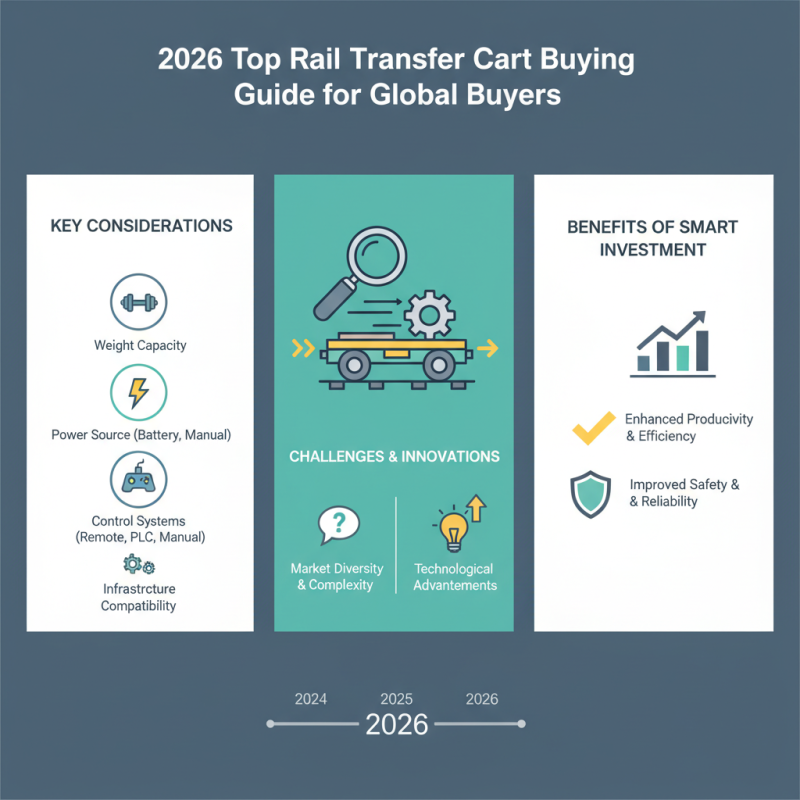
Potential buyers should consider various factors when assessing Rail Transfer Carts. Weight capacity, power sources, and control systems are essential elements to evaluate. Additionally, understanding the compatibility with existing infrastructure can influence the decision-making process. Misjudgments in these areas can lead to costly mistakes.
As we delve into the 2026 buying guide, it’s important to reflect on the complexities involved. Innovations and varying market needs challenge buyers to stay informed. It’s not just about purchasing equipment; it’s about investing in reliable solutions that enhance productivity and safety.
Understanding Rail Transfer Carts: Types and Applications
Rail transfer carts are essential in many industries. They facilitate the movement of heavy goods over short distances. These carts come in various types, each suited to specific applications. The most common types include flatbed, automated, and battery-operated carts. Flatbed carts are versatile and can carry a wide range of materials. Automated carts enhance efficiency by reducing manual labor.
Understanding the unique applications of these carts is crucial. In manufacturing, rail transfer carts transport components between assembly lines. In warehouses, they move products from storage to shipping areas. Electric rail transfer carts offer a clean, efficient power source. Their design often includes a heavy-duty structure and robust wheels. This ensures stability when carrying large loads.
However, selecting the right cart can be challenging. Buyers need to consider load capacity, distance, and frequency of use. A miscalculation in any of these factors may lead to operational inefficiencies. Often, companies overlook maintenance, which can exacerbate issues over time. It’s important to reflect on these aspects before making a purchase. Investing in the right rail transfer cart can significantly impact operational productivity and safety.
Key Features to Consider When Buying Rail Transfer Carts
When purchasing rail transfer carts, certain key features are crucial for optimal performance. Load capacity is paramount. Determine the maximum weight the cart must carry. A cart with insufficient capacity may warp or break, causing operational delays. Construction material also matters. Steel is durable, while aluminum is lighter and easier to maneuver.
Another essential feature is the power source. Electric carts offer convenience, while manual options may fit specific needs. Consider the terrain where the cart will be used. Carts designed for rough surfaces need robust wheels and frames. Safety features, like braking systems and emergency stop buttons, can prevent accidents and enhance reliability.
Customization options are worth exploring. Buyers often seek carts tailored to unique operational requirements. However, higher customization can lead to increased costs. Always weigh the pros and cons. Finally, consider vendor support and warranty services. A reliable provider offers peace of mind and essential after-sales support.
Safety Standards and Regulations for Rail Transfer Carts
When selecting rail transfer carts, understanding safety standards is crucial. Regulations ensure that these carts operate safely, preventing accidents and protecting workers. According to the International Organization for Standardization (ISO), compliant equipment significantly reduces workplace incidents. In fact, facilities adhering to safety standards report 30% fewer accidents.
The American National Standards Institute (ANSI) also outlines key safety features like emergency stop systems and load limits. Compliance with these regulations not only safeguards employees but also extends the lifespan of the equipment. Ensuring proper maintenance is equally important. Regular inspections can uncover potential issues before they escalate.
Tip: Always check for certification labels. These labels indicate compliance with important safety standards.
In practice, many facilities overlook these safety aspects. It is essential to understand that just possessing a rail transfer cart is not enough. Training employees on proper operation can lead to a substantial increase in safety. According to a report, companies with regular safety training show a 25% improvement in operational efficiency and safety.
Tip: Schedule regular training sessions. Consistent education keeps safety at the forefront of operations.
Evaluating Cost vs. Quality in Rail Transfer Cart Purchases
When considering rail transfer carts, buyers often face a dilemma: cost versus quality. It's crucial to find a balance that meets operational needs without overspending. Low-cost options may seem attractive initially, but they often compromise on durability and performance. Many buyers have regretted choosing cheaper models as they lead to higher maintenance costs.
Investing in quality rail transfer carts can provide long-term savings. A well-made cart tends to have a longer lifespan and better efficiency. For instance, choosing carts with advanced safety features may require higher upfront costs, but they reduce the risk of accidents and injuries. Buyers should also evaluate the materials used in construction. Strong, corrosion-resistant materials can significantly extend a cart's operational life.
However, it’s essential to analyze expected usage and specific requirements. Sometimes, a mid-range option may be more suitable than the highest quality. Too often, buyers overlook this detail and later find the cart doesn’t meet their particular demands. Critical assessment of both cost and quality upfront can prevent costly mistakes and ensure a more informed purchase decision.
Top Manufacturers and Suppliers of Rail Transfer Carts in 2026
When considering rail transfer carts for your operations in 2026, understanding the market's leading manufacturers and suppliers is crucial. Various companies specialize in this niche, providing innovative solutions tailored to specific needs. Focus on suppliers with a strong track record in safety and reliability. Researching their operational history can offer insights into their trustworthiness.
Tips for evaluating manufacturers include checking product specifications. Ensure they meet your load bearing and transportation requirements. An established supplier often provides extensive options, tailored designs, and excellent customer service. Be skeptical of overly generic offerings. Rather, specific features often reflect a supplier's commitment to quality.
Invest time in reading customer reviews. Honest feedback can reveal potential red flags too. It’s wise to request prototypes or demonstrations where possible. This can help you gauge the performance in your environment. It's not just about cost; consider the total value. Investing in a reliable transfer cart can boost operational efficiency. Aim for solutions that enhance your workflow and safety standards.
2026 Rail Transfer Cart Market Analysis