Best Telehandler Models to Buy in 2026 What to Consider?
In 2026, the demand for telehandlers is projected to rise significantly. According to industry reports, the telehandler market is expected to reach over $3 billion globally. This growth is fueled by advancements in construction and agriculture. These sectors increasingly rely on telehandlers for their versatility and efficiency.
When considering the best telehandler models to buy, professionals need to evaluate various factors. Load capacity, lift height, and maneuverability play crucial roles in decision-making. Data shows that multi-functional telehandlers improve productivity on job sites. Yet, finding the right model can be challenging.
Not all telehandlers meet the unique needs of every project. Some models may excel in certain areas but lack durability. Others might be too complex for operators. Buyers must weigh these trade-offs carefully. Thorough research and expert opinions can guide these choices effectively.
Key Features to Look for in Telehandlers
When selecting a telehandler, key features should be your primary focus. Lifting capacity is crucial; most industry experts recommend a minimum of 5,000 pounds for heavy-duty tasks. A recent market report indicates that models with higher load ratings see a significant uptick in demand, especially in construction sectors.
Another vital aspect is the reach of the telehandler. Ideal models offer a minimum lift height of 15 feet, promoting versatility on work sites. In a 2023 study by the Association of Equipment Manufacturers, operators noted that effective reach correlates with job efficiency. Consider wheel options too. Four-wheel drive is essential for navigating rough terrains.
Safety features cannot be overlooked. Look for models equipped with stability monitoring systems. According to a recent safety report, telehandlers with advanced safety technologies reduced accident rates by over 25%. Battery life is another factor that deserves attention, particularly for extended job sites. Models with longer-lasting power tend to enhance productivity, yet are often overlooked in initial assessments.
Best Telehandler Models to Buy in 2026
Top Telehandler Brands to Consider in 2026
When selecting a telehandler in 2026, consider the top brands known for their reliability and performance. Reports from industry analysis indicate that leading manufacturers will continue to innovate, focusing on efficiency and safety. For instance, a significant percentage of buyers prioritize user-friendly controls and advanced safety features, reflecting growing industry standards.
Efficiency in material handling is crucial. Data shows that telehandlers with enhanced lifting capabilities and versatile attachments are highly sought after. Many projects demand machines that can operate in tight spaces while providing power and stability. Paying attention to these specific needs can guide your purchasing decision wisely.
Tips: Always test the machine's ergonomics before buying. Comfort can significantly impact operator performance. Additionally, check for maintenance support from the brand. This can save costs down the line. Lastly, consider resale value. Some models retain their worth better than others, especially those from reputable manufacturers.
Comparative Analysis of Telehandler Models Available
When exploring telehandler models for 2026, it’s essential to conduct a thorough comparative analysis. Key features to examine include lift capacity, reach, and maneuverability. Each model offers unique strengths, catering to different job requirements. Some feature advanced hydraulic systems that improve lifting efficiency. Others may prioritize stability for rough terrains, impacting ease of use.
Tips: Always consider the weight the telehandler needs to lift. Evaluate attachment compatibility as it can enhance overall functionality. Do not overlook user feedback on operator comfort and visibility.
Researching specifications can be overwhelming. Focus on how each model performs in real-world settings. Performance metrics often reveal gaps in manufacturer claims. Pay attention to maintenance requirements as they can affect operational costs over time.
Tips: Set a realistic budget. It’s easy to get carried away with the latest features. Sometimes, simpler models fulfill job needs just as well. Balance advanced technology with practical usability to make a wise investment.
Cost Considerations When Purchasing a Telehandler
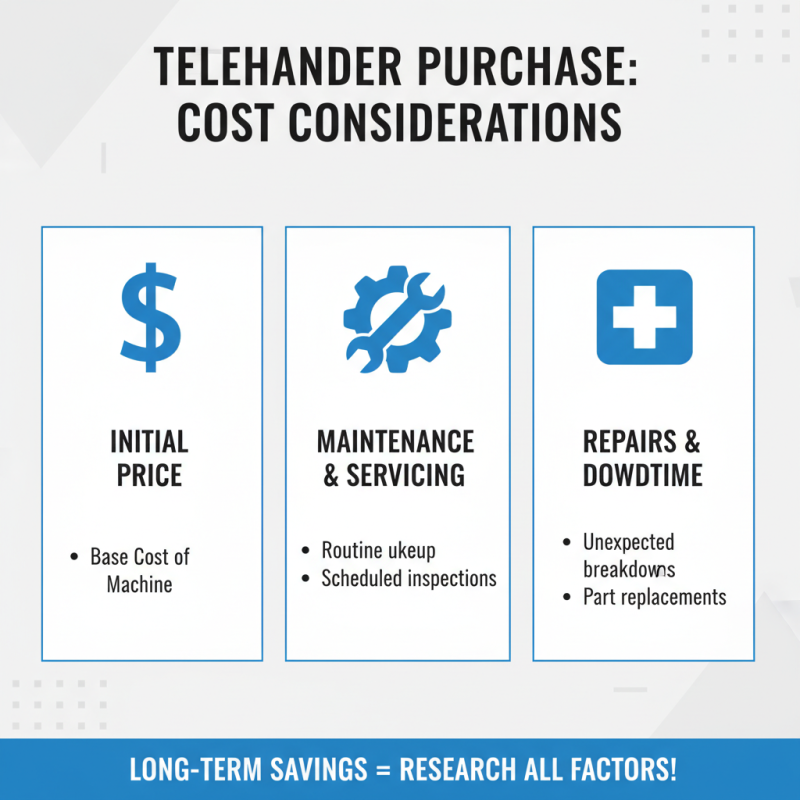
When considering the purchase of a telehandler, cost plays a crucial role. The initial price is just one aspect. Maintenance costs can affect your long-term budget. Repairs and servicing vary by model. Researching these factors can save you money later.
Fuel efficiency is another significant cost consideration. Some models consume more fuel than others. This difference can lead to substantial expenses over time. Moreover, financing options may impact your decision. Monthly payments, interest rates, and loan terms can add up. It’s vital to calculate the total cost of ownership.
Before deciding, think about your specific needs. Will you use it frequently or seasonally? A more versatile model could be worth the investment. However, if your requirements are limited, a less expensive option may suffice. Don't overlook resale value either. Some models depreciate faster than others, affecting future returns. Balancing these considerations requires reflection and planning.
Future Trends in Telehandler Technology and Design
Telehandlers are set to evolve significantly by 2026. Future trends in telehandler technology focus on automation and energy efficiency. According to a recent market analysis report, the global telehandler market is expected to grow at a CAGR of 5.4% through 2026. This growth is largely driven by advancements in material handling technologies.
One major development is the integration of smart features. Sensors and IoT technology will enhance operational efficiency and safety. For example, real-time data analytics can help operators optimize load handling, reducing fuel consumption. Remote operation capabilities also promise to transform job site workflows. However, these advancements raise questions about operator training and technology adaptation.
Tip: When considering a telehandler purchase, assess your operational needs. Not all technologies suit every job site.
Another key trend is the push towards greener designs. Battery-powered models are becoming more popular. A report from the Environmental Protection Agency highlights the urgency for reduced emissions within the construction sector. Yet, while electric models offer environmental benefits, charging infrastructure is still limited.
Tip: Evaluate your site’s charging capabilities if you choose an electric telehandler. It’s crucial for minimizing downtime.
The telehandler industry is on the brink of transformation. As these technologies develop, challenges will arise. Companies must remain agile to adapt and integrate new solutions.