
China Best Villa Aluminum Window Door Manufacturer?

Choosing the right Villa Aluminum Window Door manufacturer requires more than comparing prices or browsing polished project photos. A reliable supplier should understand coastal humidity, strong sunlight, heavy rain, and the daily movement of large sliding panels. The frame should feel firm, not hollow. The rollers should move quietly. The corner joints should remain clean after years of use.

Fenestration consultant Daniel Wong explains, “A successful window system protects comfort before it displays beauty.” This principle deserves attention. A villa may have a dramatic glass wall, yet poor drainage can cause stains, leaks, and difficult maintenance. Experienced manufacturers usually provide tested profiles, suitable glass options, accurate hardware, and clear installation guidance. They also explain limitations instead of promising perfection.

Look for evidence from completed villas, not only factory samples. Ask about thermal breaks, wind-load testing, powder-coating thickness, sealing methods, and replacement hardware. A professional team should measure openings carefully and coordinate with architects, builders, and interior designers. Small errors can create large problems. A few millimeters matter.

Still, no product fits every climate or budget. This is where buyers must think critically. Oversized doors may look impressive, but they need stronger hardware and better structural support. Slim frames can improve views, yet they may reduce insulation if designed poorly. Even an excellent Villa Aluminum Window Door can fail through careless installation. The manufacturer’s experience, documentation, and after-sales response often reveal more than marketing language. Choosing well means balancing appearance, performance, service, and long-term practicality.
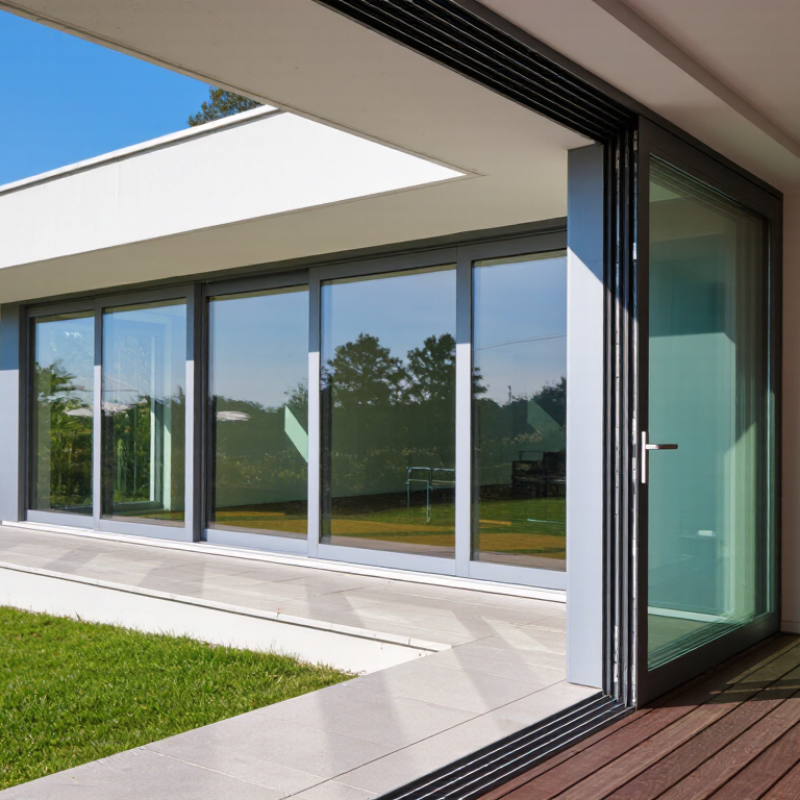
China Best Villa Aluminum Window Door Manufacturer?

What Defines a Leading China Villa Aluminum Window and Door Manufacturer?

A leading China villa aluminum window and door manufacturer is defined by verified performance, not showroom brightness. The IEA’s 2023 Global Status Report for Buildings and Construction reports that buildings consume about 30% of global final energy. Thermal design therefore deserves more attention than decorative profiles. A capable factory should document U-values, air leakage, water resistance, wind-load testing, and acoustic results for complete units. Not just samples. It should explain glass specifications, thermal breaks, drainage paths, and hardware service life clearly.

Production discipline matters equally. Look for calibrated testing equipment, traceable extrusion batches, controlled coating thickness, and documented inspection records. ISO 9001 certification may support process consistency, but it cannot replace independent product testing. The International Aluminium Institute states that recycled aluminium uses roughly 5% of the energy required for primary aluminium production. A responsible manufacturer should measure scrap, separate alloys, and offer realistic recycled-content options. Claims need evidence.

Project experience reveals practical competence. Ask for installation drawings, tolerance guidance, corner details, and maintenance instructions before signing. Factory engineers should review wind exposure, coastal corrosion risks, glazing weight, and opening frequency. That conversation matters. No factory is flawless. Even experienced teams can miss drainage details or underestimate site tolerances. A reliable supplier admits these risks, records corrective actions, and communicates delays early. Low price alone proves very little.

How Are Aluminum Windows and Doors Designed for Modern Villas?

Modern villa aluminum windows and doors begin with climate, orientation, and daily movement. South-facing glazing may need controlled solar gain, while shaded elevations can prioritize daylight. The U.S. Department of Energy reports that windows can account for 25–30% of residential heating and cooling energy use. That figure makes frame design more than an aesthetic choice.

Designers usually specify thermally broken aluminum profiles, insulated glazing, low-emissivity coatings, and warm-edge spacers. These components reduce heat transfer through the frame and glass. The National Fenestration Rating Council evaluates U-factor and solar heat gain coefficient, helping professionals compare tested performance. Lower U-factor generally indicates better insulation. However, a lower number is not automatically ideal for every villa. Local weather and window orientation still matter.

Large openings require careful structural review. Engineers check wind pressure, sash weight, glass deflection, drainage, and hardware durability. A tall sliding door may look elegant, yet poor track drainage can create trouble after heavy rain. Air leakage also deserves attention. Site installation often determines whether laboratory performance survives real use. The 2021 International Energy Conservation Code includes requirements for fenestration U-factor and solar heat gain, but practical detailing can remain imperfect. Tolerances vary. Human installation errors happen.

Experienced manufacturers therefore connect shop drawings with verified testing, precise corner joints, and water-management details. They should discuss ventilation, cleaning access, child safety, and future maintenance before production. Modern villa design is not only about wider glass. It is about balancing views, comfort, energy data, and honest construction limits.

Which Materials, Finishes, and Performance Features Matter Most?

Choosing aluminum windows and doors for a villa starts with the frame, not the showroom color. In site inspections, I have seen attractive systems fail because drainage paths were ignored. Thermally broken aluminum reduces heat transfer through the frame. It matters in bedrooms facing cold mornings or strong afternoon sun. Appearance is not performance. The alloy grade and wall thickness also deserve attention. A slim profile looks elegant, but it must remain stable under wind loads.

Glass often controls comfort more than aluminum. Low-emissivity double glazing suits many climates, while triple glazing can help in severe winters. However, heavier glass demands stronger hinges, rollers, and fixing points. Ask for tested air tightness, water resistance, and wind-pressure performance. These figures are more useful than vague claims such as “premium quality.” For coastal villas, corrosion-resistant hardware and careful drainage are essential. Check the seals by touch. Uneven compression can reveal poor installation.

Finishes should match exposure, maintenance habits, and heat gain. Powder coating offers many colors, while anodized surfaces create a refined metallic texture. Dark finishes can become extremely hot in direct sunlight, and color consistency may vary between batches. Details decide comfort. I once underestimated this issue on a large west-facing elevation. The frames looked elegant, but interior temperatures rose more than expected. Recheck samples outdoors, inspect corner joints, and request realistic maintenance guidance. A reliable manufacturer should explain limitations clearly, not only display polished photographs.

How Does the Manufacturing and Quality Inspection Process Work?

Choosing the best villa aluminum window door manufacturer in China requires more than comparing prices. The manufacturing process should begin with verified aluminum profiles, suitable wall thicknesses, and accurate design drawings. Experienced engineers check opening sizes before cutting. This step prevents costly installation problems later.

Modern factories usually use precision cutting, CNC machining, corner assembly, and controlled surface treatment. Each frame should be checked for dimensions, diagonal accuracy, coating appearance, and hardware alignment. Quality inspectors may test air leakage, water resistance, wind pressure, and repeated opening cycles. Glass thickness, sealant application, drainage holes, and corner joints also deserve close attention. One overlooked drainage channel can cause trouble during heavy rain. Factory records, material certificates, and inspection photos improve reliability. However, no process is perfect. Human error still happens, especially when drawings change late or production moves too quickly.

Tips: Request a sample corner, not only a full-size photo. Compare the sample with approved drawings and confirm every visible detail. Ask how inspectors record rejected parts. A trustworthy manufacturer should explain this clearly, without vague promises. It is also wise to inspect packaging, because excellent windows can suffer damage before installation. Door rollers may feel smooth in the factory, yet perform differently after transport. Independent inspection is not always necessary, but it can reveal weaknesses early.

China Best Villa Aluminum Window Door Manufacturer? - How Does the Manufacturing and Quality Inspection Process Work?

Manufacturing or Inspection Stage Main Quality Dimensions Typical Controls and Methods Relevant Standards or References Expected Output or Acceptance Evidence
Project and Technical Review Opening size, installation condition, glass specification, wind exposure, thermal requirements, drainage design Review of architectural drawings, site dimensions, hardware configuration, performance requirements, and applicable local building codes Applicable national building codes; project-specific specifications; ASTM, EN, or AAMA requirements where applicable Approved shop drawings, bill of materials, technical data sheet, and signed dimensional confirmation
Aluminum Profile and Material Receiving Alloy, temper, wall thickness, straightness, surface condition, and traceability Mill certificate review, alloy verification, random dimensional measurement, visual inspection, and batch identification ASTM B221 or EN 755/EN 12020, depending on the specified profile system Incoming inspection report, material certificate, and clearly identified production batch
Cutting and CNC Machining Cutting accuracy, machining position, drainage holes, hardware pockets, and corner preparation Calibrated tape measures, vernier calipers, angle gauges, CNC program verification, first-piece approval, and in-process checks Approved fabrication drawings and system-specific tolerance requirements Dimensionally compliant components with clean edges, correct hole locations, and documented first-piece approval
Surface Preparation and Powder Coating Color consistency, coating thickness, adhesion, curing, gloss, and resistance to visible defects Cleaning and pretreatment, color comparison, dry-film thickness measurement, cross-cut adhesion testing, and oven-temperature monitoring AAMA 2603/2604/2605 or ISO 12944-related project requirements, as specified Uniform finish without blistering, peeling, exposed substrate, excessive orange peel, or unacceptable color variation
Glass Processing and Inspection Glass type, thickness, dimensions, edge quality, safety treatment, spacer condition, and seal integrity Glass identification, dimensional checks, visual inspection under controlled lighting, edge inspection, and verification of tempered or laminated markings ASTM C1036, ASTM C1048, ASTM C1172, or EN 12150/EN 14449 where applicable Correct glass configuration, acceptable appearance, protected edges, and traceable safety-glass documentation
Hardware and Accessory Verification Material, compatibility, operating force, corrosion resistance, locking function, and screw positioning Part-number verification, sample operation, fastener inspection, handle alignment check, and corrosion-resistant hardware confirmation Project specification and applicable hardware performance requirements Complete hardware set, smooth operation, secure locking, and compatibility with the selected window or door system
Frame and Sash Assembly Squareness, diagonal difference, joint quality, gasket placement, drainage path, and seal continuity Diagonal measurement, corner-joint inspection, gasket fit check, sealant inspection, and repeated opening and closing tests Approved fabrication drawings and applicable window and door product standards Rigid and square assemblies with even sightlines, continuous seals, unobstructed drainage, and smooth operation
Dimensional and Visual Final Inspection Overall dimensions, color, finish, glass condition, accessories, labels, and packaging readiness Final checklist, 100% visual inspection, random dimensional sampling, protective-film inspection, and photo records Contract drawings, approved samples, inspection plan, and agreed acceptance criteria Signed final inspection report with nonconformities corrected or formally approved before release
Performance Testing Air leakage, water penetration, structural strength, operating force, and thermal performance where required Laboratory or controlled in-house testing using representative samples and calibrated test equipment ASTM E283, ASTM E331, ASTM E330, AAMA/WDMA/CSA 101/I.S.2/A440, or EN 1026/EN 1027/EN 12211 Test report showing results against the performance classes or project values specified by the buyer
Packaging and Pre-Shipment Inspection Protection against scratches, impact, moisture, movement, and incorrect loading Corner protection, separation materials, crate or carton inspection, quantity verification, loading-plan review, and container photographs Approved packing instructions, shipping requirements, and destination handling conditions Correct quantity and labeling, stable packing, moisture protection, and complete pre-shipment documentation
Quality note: Acceptance limits should be confirmed in the contract and approved shop drawings because required tolerances and performance classes vary by project, system design, destination market, and building code.

How Should Buyers Compare Suppliers, Products, and Service Support?

Choosing the best villa aluminum window door manufacturer requires more than comparing prices. Buyers should examine product details, factory experience, and service reliability together. A low quote may hide thinner profiles, weaker hardware, or limited glass options. I once focused too heavily on appearance and overlooked drainage design. That mistake caused avoidable maintenance concerns later.

Ask suppliers for profile thickness, alloy grade, thermal-break details, glass specifications, hardware brands, coating standards, and water-tightness test results. Request project photos, samples, and inspection records. A serious supplier should explain tolerances clearly, not promise everything without evidence.

Compare lead times, packaging methods, installation guidance, warranty terms, and spare-part support. After-sales response matters when a door handle loosens months after installation. Experience shows that clear drawings prevent more problems than attractive brochures.

Tips: Compare identical specifications, not just total prices. Check whether quotations include glass, screens, delivery, and installation. Ask for a sample corner joint. Test the locking action yourself. Keep written answers for every technical promise. If a supplier avoids difficult questions, pause before ordering. Service quality is often hardest to measure, and buyers may underestimate it. A video call with the production team can reveal useful details, although it cannot replace an independent inspection.