2026 How to Choose the Best City Crane for Your Construction Needs?
When selecting the right city crane for your construction project, understanding the diversity of options is essential. The global crane market is projected to reach USD 50 billion by 2026, with city cranes leading the demand due to urbanization trends (Statista, 2023). Their compact design allows for efficient maneuvering in tight spaces, a necessity in today's crowded cities.
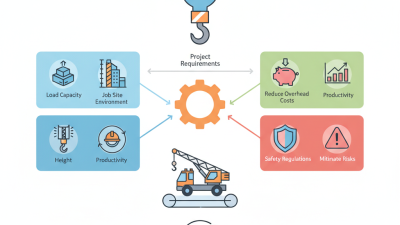
Choosing the best city crane involves more than just cost. Each project has unique requirements, such as load capacity and lifting height. According to industry experts, the wrong choice can lead to delays and increased operational costs. Evaluating equipment capabilities and compatibility with the worksite is crucial. It's not only about performance; safety ratings and manufacturer reliability play a vital role in making informed decisions.
Despite the vast options available, many operators face challenges selecting the ideal crane. Misjudging the required specifications often leads to operational inefficiencies. By focusing on key factors like mobility, stability, and technology integration, you can avoid costly mistakes. Understanding these aspects will guide you in selecting the best city crane for your construction needs in 2026.

Choosing a City Crane: An Overview of Types and Applications
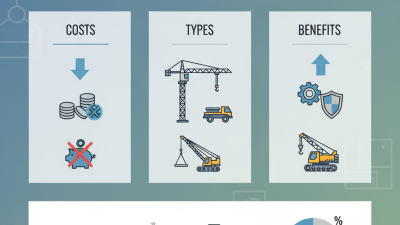
When selecting a city crane, understanding the different types and applications is crucial. City cranes come in various models, each suited for specific tasks. For instance, mobile cranes are highly versatile. They can navigate tight urban areas with ease. However, they may lack lifting capacity for larger projects.
Another option is the tower crane, which excels in height and reach. These cranes are ideal for high-rise buildings. They provide excellent stability but take longer to set up. This can affect project timelines. On the other hand, mini cranes are great for smaller jobs. They work well in confined spaces but may not have the lifting power for heavier materials.
Evaluating your construction needs is essential. Consider the space available and the load requirements. Each crane type has advantages and limitations. Carefully weigh these factors before making your choice. It’s important to ask experts for advice based on your specific situation. Doing so can help avoid costly mistakes and ensure a more efficient workflow.
Key Factors in Selecting a City Crane for Urban Construction Projects
Choosing the right city crane for your construction project is crucial. Urban environments present unique challenges.
Space is often limited, and the need for efficiency is paramount. With various crane types available, understanding your project's specific requirements is essential.
Consider the crane’s lifting capacity and reach. Will it be operating in tight spaces? A compact crane may be necessary, allowing for maneuverability.
Additionally, assess the ground conditions. Is the surface stable enough for heavy equipment? Unexpected issues can arise if the foundation is inadequate. Proper planning helps mitigate risks.
Operational safety cannot be overlooked. Ensure the crane has certifications and meets safety regulations. Training for operators is equally important.
How familiar are they with the equipment? Experience plays a significant role in safety and efficiency.
Regular maintenance should also be prioritized. An ignored crane can lead to malfunctions, causing delays and potential accidents.
Understanding Load Capacity: Data-Driven Insights for Crane Selection
When selecting a city crane, understanding load capacity is essential. The right crane must safely support the weight of materials. According to industry reports, cranes have different capacities ranging from 10 tons to over 100 tons. Choosing the right load capacity prevents accidents and equipment failure.
It’s also crucial to consider the operational environment. Some cranes work well in tight urban spaces, while others need more room. Load charts help visualize how different weights affect crane stability. Many users overlook the importance of this data, leading to improper crane selection.
**Tip:** Always verify the load capacity against actual site conditions. Ensure that the crane can safely handle not just the maximum weight, but also dynamic loads that occur during lifting.
Another element to reflect on is the crane's reach. Many constructions require varying heights and distances. Cranes have different boom lengths which affect the operational capacity. A crane might be rated for a specific weight, but its reach can compromise safety if not considered.
**Tip:** Look for cranes with adjustable booms. This can optimize performance, especially in complex urban environments where space is limited. Proper planning and data analysis can enhance your project’s safety and efficiency.
Understanding Load Capacity for City Cranes
Evaluating Crane Mobility and Accessibility in Urban Environments
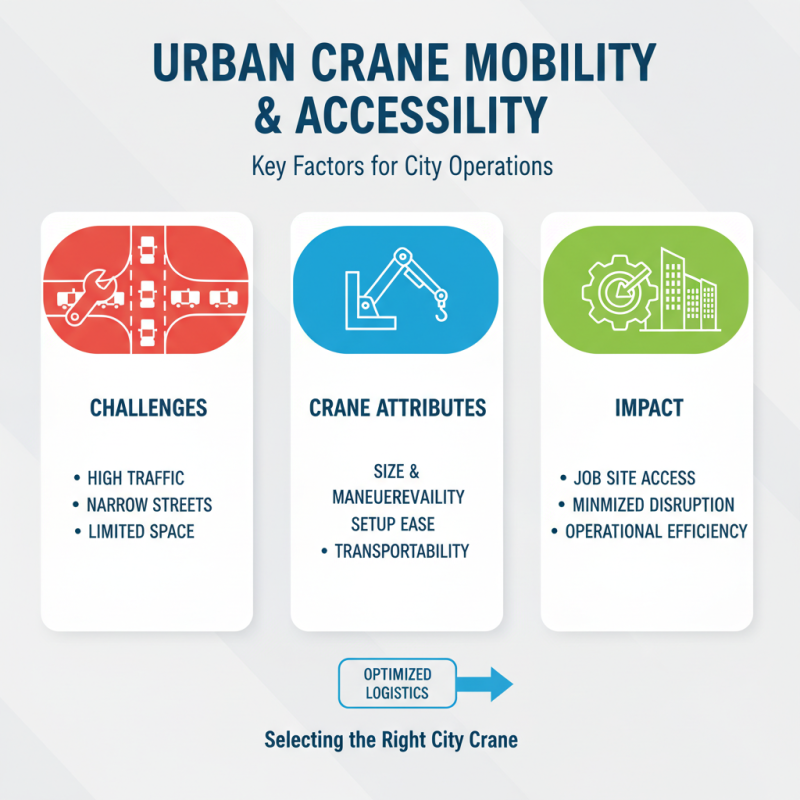
When selecting a city crane, mobility and accessibility are crucial factors. Urban environments present unique challenges for crane operations. High traffic, narrow streets, and limited space can complicate worksite logistics. A crane's size and maneuverability directly impact its ability to navigate these tight spots. Consider how easily a crane can enter and exit a job site while minimizing disruption.
It's not just about the crane's physical dimensions. Factors like weight and turning radius also matter. A crane that seems adequate might struggle with unexpected challenges, such as overhead clearance. Being able to adapt quickly in city environments is vital. Reviewing past projects can provide insight into mobility issues.
Conducting a thorough site assessment before crane selection is often overlooked. This step can reveal hidden obstacles that might affect crane efficiency. Key considerations include nearby buildings, overhead lines, and pedestrian traffic. Taking these factors into account improves overall planning. Making these evaluations helps in avoiding costly delays and unsafe conditions during construction.
Cost Analysis: Budgeting for the Right City Crane for Your Project
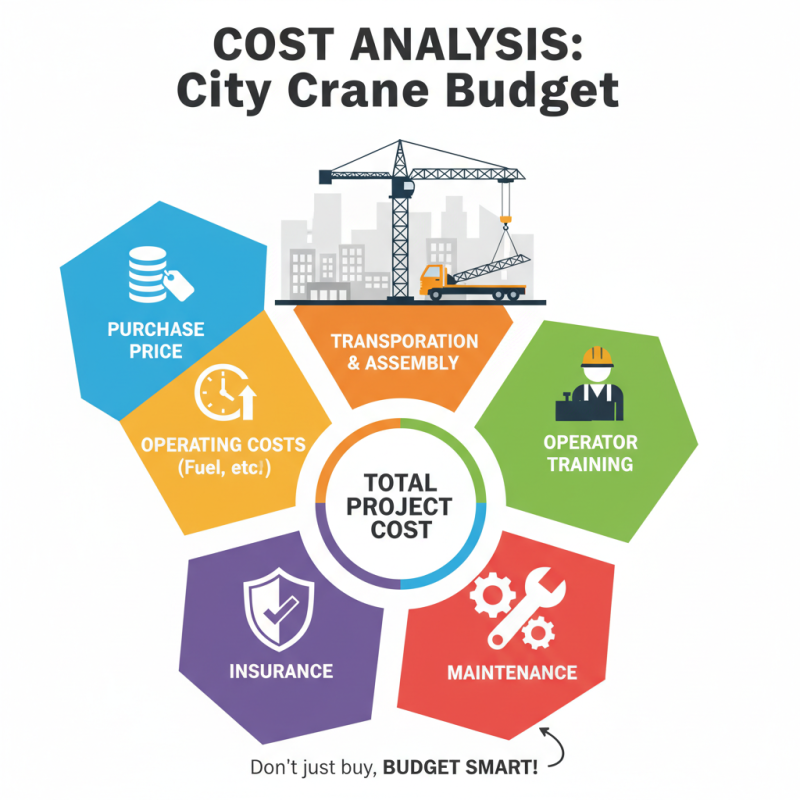
When budgeting for a city crane, it’s crucial to understand all costs involved. The purchase price is just the starting point. Additional expenses, such as transportation, assembly, and operator training, can significantly impact your overall budget. Always remember to factor in maintenance costs and insurance, which can accumulate over time.
Choosing the right crane can also help minimize costs. A crane that suits your project’s specific needs will enhance efficiency and reduce downtime. Make a list of your project requirements. This will assist in selecting a crane with appropriate lifting capacity and reach. Sometimes, opting for a rental may be more cost-effective than purchasing.
Consulting with industry experts can prove invaluable. They can provide insights into hidden costs and potential overruns. Don’t hesitate to seek multiple quotes. This ensures you compare options comprehensively. Regularly review your budget as your project progresses. Unexpected expenses can arise, and being financially prepared is vital.