
Choosing a Gantry Mill for global manufacturing requires more than comparing spindle power, table size, and price. The decision affects production speed, dimensional stability, operator safety, energy use, and after-sales support. A machine cutting large aerospace frames may face different demands from one machining wind-turbine hubs or heavy construction parts. The workpiece decides.
Industry data shows why this purchase deserves careful analysis. The International Federation of Robotics reported 541,302 industrial robots installed worldwide in 2023, demonstrating the rapid growth of automated production. A Gantry Mill must therefore communicate reliably with robots, pallet systems, probing equipment, and manufacturing software. The International Energy Agency also continues to highlight industry as a major global energy consumer. Efficient drives, regenerative systems, accurate coolant control, and reduced idle power can influence operating costs for years.
Standards matter too. ISO 230-1 provides a foundation for evaluating machine-tool geometric accuracy, while ISO 14971 is not a machine-tool standard and should not be misused for general equipment selection. Small details reveal professional judgment. Ask for test-cut evidence, thermal compensation records, spindle runout results, and service response times in your target region. Inspect the cable routing and chip evacuation path. These details are easy to ignore.
Do not trust a glossy brochure alone. It happens.
A global buyer should compare total cost of ownership, local technical skills, spare-parts availability, electrical compatibility, training, and compliance requirements. Reports from Deloitte and the World Economic Forum repeatedly connect smart manufacturing success with workforce capability, not machinery alone. The best Gantry Mill is not always the largest or fastest. It is the machine that remains accurate, serviceable, and productive in the real factory. Even this approach has limits; production forecasts can change, and every recommendation deserves practical testing.
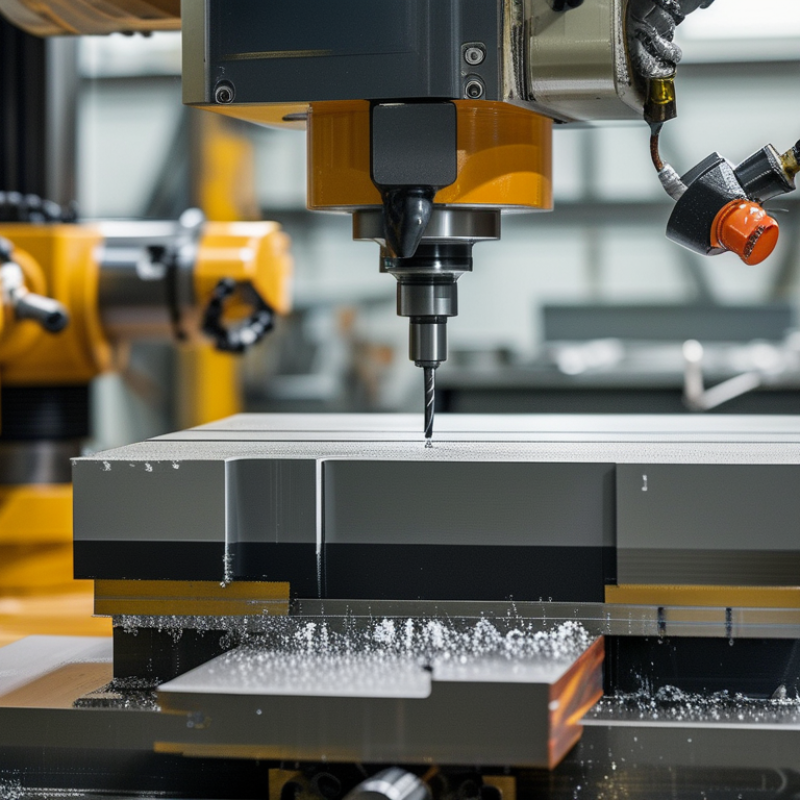
Before choosing a gantry mill, define the work it must perform daily. Record the largest part length, width, height, and weight. Add clearance for fixtures, chips, and operator access. A machine that barely fits today may restrict production tomorrow.
Set measurable targets for tolerance, surface finish, cutting volume, and repeatability. Aluminum, cast iron, and hardened steel demand different spindle power, speeds, tooling, and coolant control. Also estimate the longest continuous cycle. A light-duty machine may struggle during repeated roughing operations. I have seen production plans fail because engineers measured part size but ignored fixture height. That mistake is expensive.
Tips: Create a sample job sheet. Include material, tool diameter, cutting depth, cycle time, and expected finish. Test the most demanding part before purchase. Ask for machining data, inspection records, and documented acceptance criteria. Check table loading, axis travel, enclosure access, and chip removal. Automation may help, but only if your workflow is stable. It can add complexity too. Consider local service coverage, spare-part availability, training, and electrical requirements for each facility. These details support reliable operation across global sites, although they are often treated as secondary. Review the requirements with operators, maintenance staff, and quality engineers. Their practical feedback may challenge the original specification.
How to Choose a Gantry Mill for Global Manufacturing?
Gantry mill designs should match the workpiece, not only the available floor space. A fixed-gantry machine keeps the bridge stationary while the table moves. This layout can deliver strong cutting stability for heavy components, but it needs substantial floor length. A moving-gantry machine saves table travel and may suit long parts. However, its moving mass can affect acceleration and positioning response.
Structural configuration matters just as much. Wide columns, a reinforced crossrail, and short tool overhangs improve rigidity during deep milling. A closed bridge usually resists twisting better than an open frame. Yet, a heavier structure is not automatically better. It can increase installation demands, energy use, and thermal delay. I once underestimated service access around a large machine. That mistake complicated routine maintenance.
Tips: Compare table load, travel range, spindle torque, and foundation requirements together. Check how the machine handles chips around guideways and cutting zones. Ask for measured accuracy data after thermal stabilization, not only factory specifications. Review calibration procedures, operator training, and spare-part support in your region. For global production, confirm electrical compatibility and environmental limits before ordering. Leave room for safer access. Small omissions can become expensive downtime.
| Gantry Mill Design | Structural Configuration | Typical Working Envelope | Typical Load Capacity | Relative Rigidity | Best-Suited Applications | Primary Advantages | Key Selection Considerations |
|---|---|---|---|---|---|---|---|
| Fixed-Table, Moving-Gantry | The workpiece remains stationary while the bridge and machining head travel along the longitudinal axis. The crossbeam supports cross-travel and vertical motion. | X: 2–20 m Y: 1.5–5 m Z: 0.8–2.5 m | Approximately 5–80 tonnes, depending on table and foundation design. | High | Large structural parts, welded fabrications, molds, energy components, and heavy general engineering work. | Good accessibility, strong floor-level support, suitable for long components, and efficient use of factory space. | Requires accurate rail alignment and a rigid foundation. Moving-gantry mass can affect acceleration and dynamic performance. |
| Moving-Table, Fixed-Gantry | The worktable moves along the longitudinal axis beneath a stationary bridge. The spindle travels across the bridge and vertically. | X: 1–8 m Y: 1–3 m Z: 0.6–2 m | Approximately 2–30 tonnes, subject to table travel and guideway design. | Very high | Precision machining, medium-to-large dies, machine bases, and components requiring stable spindle support. | High structural stiffness, relatively stable cutting conditions, and a fixed bridge that can support a heavy machining head. | Needs sufficient floor length for table travel and careful management of moving mass. Loading and unloading may require more clearance. |
| Fixed-Gantry, Fixed-Table | Both the bridge and table are fixed. The machining head moves through the required axes on the crossbeam and vertical column or ram. | X: 2–10 m Y: 1.5–4 m Z: 0.8–2.5 m | Approximately 10–100 tonnes or more, subject to table and foundation engineering. | Very high | Heavy-duty roughing, large castings, steel structures, power-generation parts, and high material-removal operations. | Excellent load support, strong resistance to vibration, and no table or bridge travel during cutting. | Work envelope is limited by the stationary structure. Part loading usually needs cranes or dedicated handling equipment. |
| Double-Column, Twin-Drive Gantry | Two vertical columns support the crossrail. Synchronized drives on both sides distribute thrust and reduce crossbeam twisting. | X: 3–20 m Y: 2–6 m Z: 1–3 m | Approximately 10–120 tonnes, depending on table construction and foundation capacity. | Very high | Wide workpieces, heavy molds, aerospace structures, shipbuilding components, and large industrial fabrications. | Wide machining coverage, improved crossbeam stability, and better resistance to off-center cutting loads. | Drive synchronization, thermal compensation, guideway protection, and foundation accuracy are critical. |
| Open-Side Gantry | One side of the working area is open or less obstructed, allowing access for long, wide, or irregularly shaped components. | X: 2–15 m Y: 1.5–4 m Z: 0.8–2.5 m | Approximately 3–50 tonnes. | Medium to high | Long weldments, rail-related components, frames, structural assemblies, and parts requiring side access. | Flexible loading, easier fixture access, and improved handling of oversized workpieces. | Asymmetric loading can reduce rigidity. The open side may require additional structural reinforcement and guarding. |
| High-Speed Lightweight Gantry | A lightweight bridge, high-speed linear drive system, and compact spindle package are used to prioritize acceleration and rapid positioning. | X: 1.5–8 m Y: 1–3 m Z: 0.5–1.5 m | Approximately 0.5–10 tonnes. | Medium | Aluminum parts, composite components, patterns, prototypes, and high-volume trimming or finishing operations. | Fast cycle times, lower moving mass, reduced non-cutting time, and efficient finishing of lightweight materials. | Not normally intended for aggressive heavy roughing. Thermal stability, vibration control, and spindle speed range are important. |
| Five-Axis Gantry Mill | A gantry platform is combined with a swiveling or tilting spindle head, rotary table, or both to provide simultaneous multi-axis machining. | X: 2–12 m Y: 1.5–4 m Z: 0.8–2.5 m Rotary axes: typically ±110° to 360° | Approximately 2–40 tonnes, depending on rotary-axis design and workholding. | High | Complex molds, aerospace structures, impellers, turbine-related parts, and components requiring fewer setups. | Fewer repositioning operations, improved access to angled surfaces, and reduced setup-related errors. | Higher purchase and programming complexity. Rotary-axis accuracy, collision avoidance, calibration, and post-processing must be evaluated. |
| Hybrid Additive–Subtractive Gantry | A gantry machining platform integrates material deposition with conventional milling, drilling, or finishing operations. | X: 2–15 m Y: 1.5–5 m Z: 1–3 m | Approximately 2–50 tonnes. | Medium to high | Repair, near-net-shape production, large dies, aerospace structures, and parts requiring localized material addition. | Combines buildup and machining in one setup, reduces material waste, and can shorten repair workflows. | Process qualification, heat input, material compatibility, deposition accuracy, and integrated process monitoring are essential. |
| Modular or Extendable Gantry | Standardized bed sections, rails, columns, or workholding modules can be extended or reconfigured as production requirements change. | X: 3–30 m Y: 1.5–5 m Z: 0.8–3 m | Approximately 5–80 tonnes. | Medium to high | Contract manufacturing, changing product sizes, infrastructure components, and facilities with phased capacity expansion. | Scalable layout, easier future expansion, and improved adaptability to changing part dimensions. | Joint alignment, thermal behavior between modules, cable management, and repeatable installation accuracy must be controlled. |
Choosing a gantry mill for global manufacturing demands more than comparing table size and advertised power. Evaluate spindle, axis, and cutting performance under your actual workload. A 12,000-rpm spindle may suit aluminum, while heavy steel needs torque at lower speeds. Check taper size, bearing condition, thermal stability, and tool retention. Ask for cutting test data, not only catalog ratings. That evidence is more reliable.
Axis performance decides whether accuracy survives long travel. Examine rapid speed, acceleration, positioning accuracy, and repeatability separately. A machine can move quickly yet lose control during direction changes. Review backlash measurements and thermal compensation methods. Inspect the gantry structure under uneven loads. Large plates often expose weaknesses near the table center. Practical trials can fail when coolant, chips, and cutting forces enter the process. That risk deserves an honest test.
Tips: Cut your hardest material during acceptance testing. Record spindle load, vibration, surface finish, and cycle time. Use the same toolpaths your operators will run. Leave margin for worn tools and seasonal temperature changes. Do not judge performance from one perfect sample. A second test may reveal more. Require documented results and service procedures in a language your local team understands. Small details can prevent costly production interruptions.
A gantry mill should support people, software, and production targets across borders. Automation is not only about adding robots. Check pallet changing, tool measurement, chip removal, and collision protection. These features reduce handling work and protect operator time. The International Federation of Robotics reported 541,302 industrial robots were installed worldwide in 2023. That growth signals a clear shift toward connected production. However, automation can become expensive if the control system is difficult to maintain.
Software deserves equal attention. Look for open data connections, offline programming, digital work instructions, and clear alarm histories. The 2024 Deloitte Smart Manufacturing survey found that 86% of manufacturing leaders expect smart manufacturing to improve competitiveness within three years. A gantry mill should therefore exchange useful data with planning and quality systems. Avoid software that creates attractive dashboards but weak shop-floor decisions. That happens more often than suppliers admit.
Tips: Test the interface with a real operator, not only an engineer. Ask for a sample machining program and verify transfer, backup, and recovery steps. Global support also needs practical proof. Review response times, spare-parts locations, training languages, and remote-service limits. The 2024 State of Smart Manufacturing report found that 98% of manufacturers planned to maintain or increase smart-manufacturing investment. Still, investment does not guarantee dependable support. A perfect shortlist is unrealistic. Visit an operating site if possible, and document every unresolved question before purchase.
A gantry mill should be evaluated by total cost, not purchase price. Include tooling, installation, training, energy, coolant, maintenance, and downtime. The International Energy Agency reported that industry consumed about 37% of global final energy in 2022. Therefore, spindle efficiency and standby consumption deserve serious attention. A cheaper machine can become expensive when it runs hot, needs frequent alignment, or lacks local service support.
Compliance must be checked before shipment. Review guarding, emergency stops, electrical documentation, risk assessment, and software controls against applicable regional requirements. ISO 12100 and ISO 13849 offer useful frameworks for machinery safety. The ISO Survey 2023 recorded more than 1.2 million ISO 9001 certificates worldwide, showing how strongly documented quality systems support international trade. Ask for traceable inspection records, calibration certificates, and clear acceptance criteria. Paperwork is not decoration.
Long-term value also depends on adaptability. Check table rigidity, axis travel, control-system support, spare-part availability, and operator training. Deloitte’s 2024 Smart Manufacturing and Operations Survey found that 92% of surveyed manufacturers viewed smart manufacturing as important to future competitiveness. Yet connectivity alone does not create value. A beautifully connected mill may still produce poor results if workers cannot diagnose faults quickly.
I would not trust a five-year cost model without testing real cycle times, energy use, and maintenance response. Estimates are useful. They are also often wrong.