How to Choose the Best Self Erecting Crane for Your Project?
When selecting a self erecting crane for your project, several critical factors must be considered. The global construction equipment market is projected to reach $192.24 billion by 2025, indicating a growing reliance on advanced machinery. Self erecting cranes have emerged as a solution for efficient lifting in tight spaces, offering significant benefits for construction sites with limited access.
Choosing the best self erecting crane requires understanding your specific project needs. For instance, the crane's maximum lifting capacity and reach are essential aspects to consider. The 2021 Crane Rental Market Analysis reported that 28% of construction companies prioritize crane versatility and ease of operation. Misjudging these factors can lead to project delays and increased costs.
Evaluating the crane's safety features and user-friendliness is crucial. According to a report from the International Federation of Robotics, workplace accidents can be reduced by up to 60% with proper equipment. Reflecting on your choices will help ensure that you select a self erecting crane that meets industry standards while supporting your project goals.
Understanding the Basics of Self Erecting Cranes
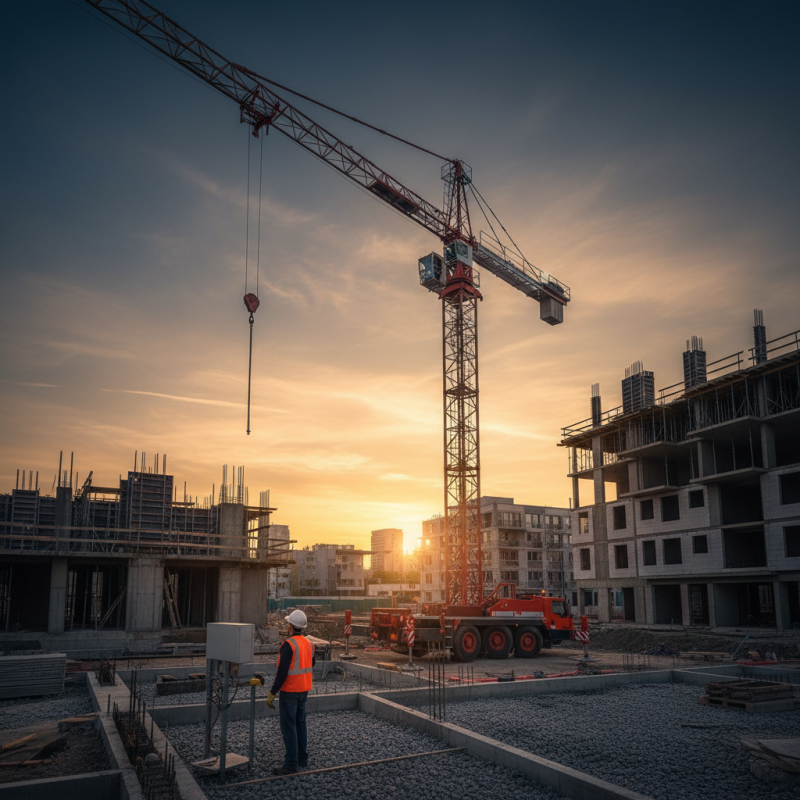
Self erecting cranes play a pivotal role in construction sites, especially for projects requiring efficiency and space optimization. Understanding their basics can significantly impact project success. These cranes are designed to be compact and easy to set up, allowing for quick mobilization. They often operate from a self-contained platform, reducing the need for additional setups. Reports highlight that improper crane selection can lead to project delays, which costs the industry over $1 billion annually.
When choosing a self erecting crane, assess the lifting capacity required for your project. Standard models handle loads ranging from 2 to 8 tons. Depending on site conditions, ensure the crane’s height and reach are suitable too. Misjudging these factors might result in operational inefficiencies or safety hazards.
Tip: Collaborate with experienced operators during the selection process. Their practical insights can prevent costly mistakes. Regularly review industry data and equipment performance reports. This practice helps maintain an informed perspective on the best practices for crane operations. Reflecting on past project experiences can guide better choices moving forward.
Self Erecting Crane Comparison: Load Capacity and Height
Key Features to Consider When Selecting a Self Erecting Crane
When selecting a self erecting crane for your project, focus on key features that can influence efficiency and safety. One of the most critical aspects is the crane's lifting capacity. Many projects require cranes that can handle loads between 3 to 20 tons. According to industry reports, understanding the exact weight of your materials is essential. Overestimating the required capacity can lead to unnecessary expenses. Underestimating can risk project delays or accidents.
Another feature to evaluate is the crane's reach and height. Models differ in their maximum working radius, typically ranging from 30 to 80 feet. If your project involves multi-story construction, the crane must extend high enough. Failing to gauge this can lead to complications. A study indicated that cranes with a longer reach improve project timelines by up to 15%.
Additionally, consider the crane's setup time. Quick assembly is vital, especially in tight schedules. Many self erecting cranes can be erected in under an hour. However, lack of proper training can delay this process. Investing in operator training can mitigate risks associated with improper setup. A well-trained operator enhances safety and efficiency without compromising project integrity.
Assessing the Load Capacity and Reach for Your Project Needs
When selecting a self-erecting crane, understanding load capacity is crucial. The load capacity indicates how much weight the crane can lift safely. Assess your project's requirements first. Calculate the maximum weight of materials you plan to handle. This figure will guide your choice. If the crane cannot support your needs, safety becomes a significant concern. Always double-check your calculations.
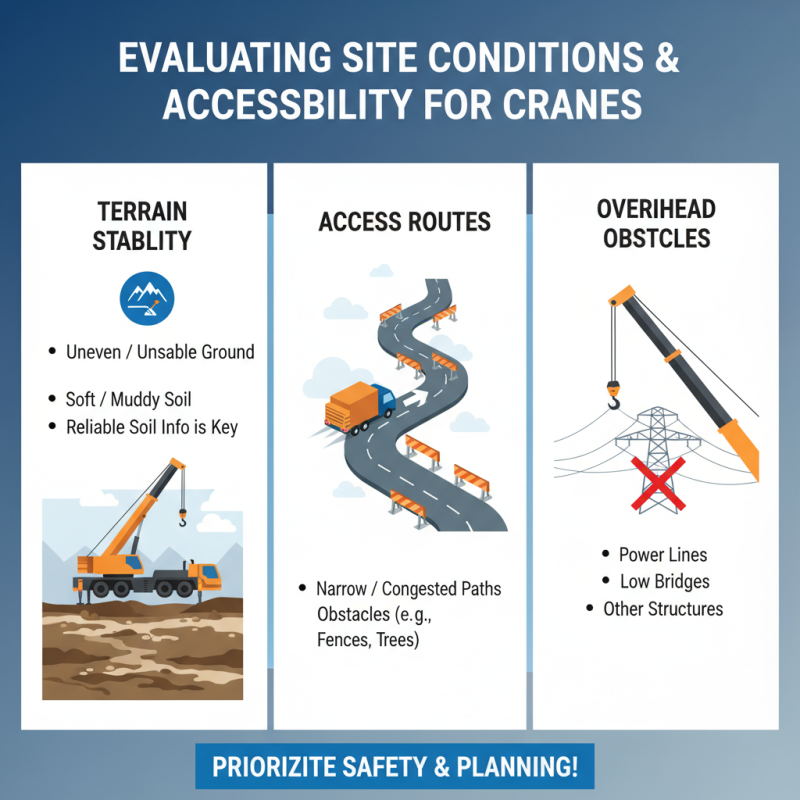
Reach is another critical factor. A crane’s reach determines how far it can extend horizontally. If you're working on a tight site, an extensive reach may be necessary. Measure the height and distance the crane needs to cover. Your site map can help visualize this. Sometimes, unexpected obstacles can affect reach, such as overhead power lines. It’s wise to factor in these variables early in your planning process.
While load capacity and reach are paramount, consider training and operator experience too. An experienced operator can optimize crane usage, leading to better efficiency. Reflect on your past projects. Did inexperienced operation lead to mistakes? Learning from these experiences is essential. Having a well-trained team can mitigate risks associated with crane operations.
Comparing Manufacturers and Models for Optimal Performance
When selecting a self-erecting crane, comparing manufacturers and models is crucial for project success. Each manufacturer offers distinct features that cater to various construction needs. Look for reliability in both design and operational performance. Researching user reviews can provide insights into common issues. Sometimes, models that appear best on paper might not perform well in actual conditions.
Consider how each model handles weight limits and height restrictions. Some cranes excel in tight spaces, while others shine in heavy-lift scenarios. Evaluate the ease of setup and breakdown. A model that takes longer to assemble may cost you precious time on the job site. Reliable service and support from the manufacturer can also impact your long-term satisfaction.
Performance shouldn't be the only focus. It's vital to ensure the selected crane meets safety standards. Inspect the safety features that each model offers. Neglecting these aspects could lead to accidents or equipment failure. Keep in mind that the best choice isn’t always the most expensive one. Balancing cost with performance and safety is essential for effective project management.