2026 How to Choose the Best Xtreme Telehandler for Your Needs?
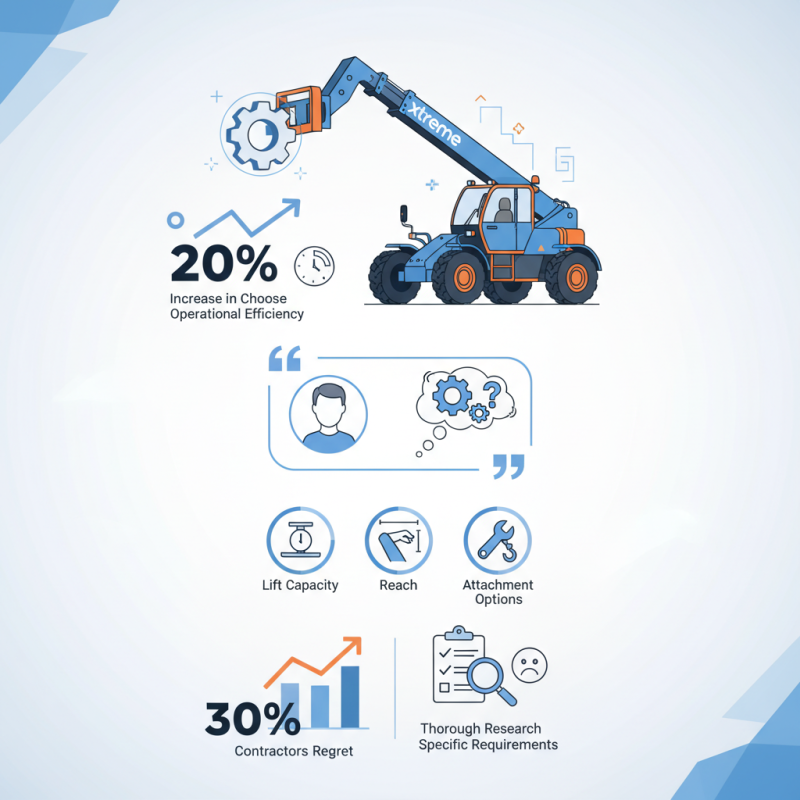
In constructing an efficient and reliable workflow on construction sites, choosing the right equipment is vital. An "xtreme telehandler" stands out in this regard. According to a 2022 industry report by the Construction Equipment Association, telehandlers contribute to a 20% increase in operational efficiency when properly utilized.
Industry expert John Richards states, "Selecting the right xtreme telehandler can make or break your project's success." His insights emphasize understanding specific needs before making a choice. Factors such as lift capacity, reach, and attachment options become crucial in decision-making.
As telehandlers gain popularity due to their versatility, improper selection can lead to safety issues or inefficiencies. Over 30% of contractors report regret over their equipment choices, highlighting the importance of thorough research. Understanding your specific requirements is essential to avoid costly mistakes and ensure optimal performance.
How to Assess Your Lifting Capacity Requirements for Xtreme Telehandlers
Choosing the right telehandler requires careful consideration of your lifting capacity needs. Xtreme telehandlers offer various models with different load capacities. It's essential to assess your specific project requirements before making a decision.
Begin by evaluating the maximum weight you need to lift at any given height. According to industry studies, nearly 30% of construction projects underutilize their equipment, resulting in inefficiencies and increased costs. Identify the heaviest materials you expect to handle and the heights required for your operations.
Consider your workspace. Is it confined? Do you need to maneuver in tight areas? Many telehandlers excel in stability but may struggle in smaller environments. It’s crucial to strike a balance between lift capacity and the dimensions of your job site. Be aware that higher lifting capacity often increases the machine's weight, potentially limiting mobility.
Lastly, don’t overlook the importance of safety features. Compliance with safety standards is non-negotiable. Invest in models equipped with efficient stabilization systems. Any lapse in safety can lead to accidents and costly delays. Make a reflective assessment of what your specific project needs, focusing on both operational efficiency and safety compliance.
2026 How to Choose the Best Xtreme Telehandler for Your Needs? - How to Assess Your Lifting Capacity Requirements for Xtreme Telehandlers
| Model |
Lifting Capacity (lbs) |
Max Lift Height (ft) |
Engine Power (HP) |
Weight (lbs) |
Stabilizer Type |
| Standard Telehandler |
5000 |
20 |
75 |
7500 |
None |
| Heavy-Duty Telehandler |
8000 |
25 |
90 |
9000 |
Outriggers |
| Compact Telehandler |
4000 |
18 |
60 |
6000 |
None |
| High-Performance Telehandler |
10000 |
30 |
100 |
11000 |
Outriggers |
Key Features to Consider When Selecting an Xtreme Telehandler Model
When choosing an Xtreme Telehandler, several key features stand out. First, consider the lift capacity. This defines how much weight the telehandler can handle. Depending on your projects, you might need a model with higher or lower capabilities. It's crucial to match the machine's capacity to your specific tasks.
Another essential feature is the reach. How far the telehandler can extend affects its versatility. Longer reach models can perform tasks from a distance, reducing the need for repositioning. Comfort and ease of operation are also vital. A spacious cab with good visibility improves safety and efficiency.
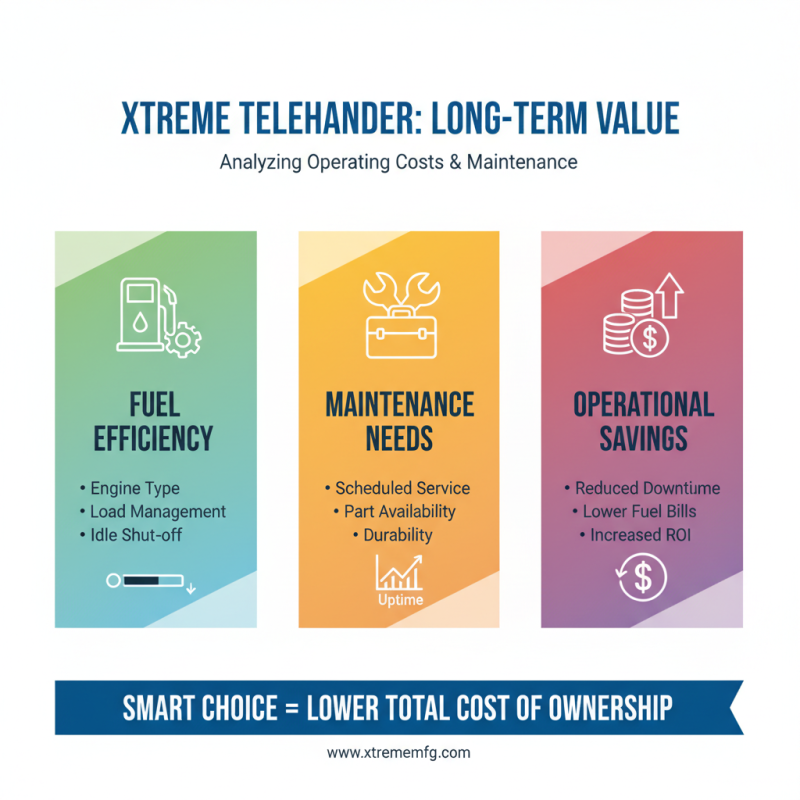
However, it's easy to overlook the importance of this aspect. Durability and maintenance needs are often underestimated. Choose a machine built for tough environments, but also consider its maintenance schedule. A reliable telehandler should not require frequent repairs.
Think about how often you plan to use it. Lastly, don't forget about attachments and compatibility. The right attachment can greatly enhance your operational capabilities. Balancing all these features can be challenging, yet it is essential for making an informed choice.
Understanding the Importance of Stability and Maneuverability Metrics
When selecting an Xtreme telehandler, stability and maneuverability are critical metrics to consider. Stability ensures safety, especially when operating on uneven ground. According to industry reports, approximately 35% of telehandler accidents result from stability issues. A well-designed telehandler will have a low center of gravity and wide wheelbase, enhancing its stability during operation.
Maneuverability is equally vital. Construction sites often have tight spaces. A telehandler with excellent maneuverability can navigate these spaces easily. Reports indicate that models with a tighter turning radius improve efficiency by at least 20%. Operators should analyze the machine's dimensions and turning capabilities. Enhanced maneuverability leads to better performance and productivity on job sites, which is essential in today’s competitive landscape.
Yet, not all models balance stability and maneuverability well. Some operators may gravitate towards larger models for power, sacrificing agility. This can lead to operational delays. It’s essential to evaluate individual site requirements and the specific tasks at hand. Investing time in research and understanding metrics like weight capacity and reach can yield a more suitable choice. Sometimes, it’s about striking the right compromise.
Evaluating Attachments and Versatility Options for Your Telehandler
When selecting an Xtreme telehandler, evaluating attachments is crucial. Different tasks require specific tools. A versatile telehandler can adapt to varying job site demands. Consider common attachments like forks, buckets, and winches. Each has its own purpose and efficiency. For instance, forks are ideal for lifting pallets. Buckets excel in moving gravel or soil. However, not all attachments work seamlessly with every telehandler model.
Versatility is a critical factor in your decision. An ideal telehandler should accommodate multiple attachments. Some models may offer quick-change mechanisms. This feature saves time and enhances productivity. Conversely, some machines limit attachment options, which may hinder operational effectiveness. Inspect compatibility specifications before making a choice.
Configuration also plays a vital role. Different attachments can alter the telehandler's handling and stability. You might notice differences when lifting heavy loads. The wrong attachment may affect balance, risking safety. Therefore, understanding your project needs can lead to better equipment selection. Keep in mind, not all attachments will enhance a telehandler’s capabilities for every situation. Evaluate the pros and cons thoroughly.
Choosing the Best Xtreme Telehandler: Attachment Versatility