What is a self erecting tower crane and its benefits?
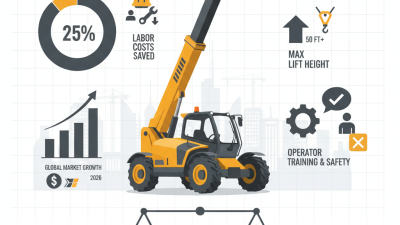
The construction industry continuously seeks innovative solutions to improve efficiency and safety. Among these, the self erecting tower crane stands out as a game-changer. According to the latest report by the Global Construction Machinery Market Watch, the demand for self erecting tower cranes is projected to increase by 15% by 2025. This growth is driven by their versatility and ease of use in various projects.
Industry expert John Harrison, a leading civil engineer, has noted, "Self erecting tower cranes are revolutionizing site operations." Their ability to set up quickly and operate in confined spaces offers significant advantages. With a maximum height often exceeding 30 meters, these cranes enhance productivity, reducing labor costs and construction time.
Despite their benefits, challenges exist. Some operators struggle with the crane's technology, which requires proper training. Moreover, safety considerations are paramount. Misuse or negligence can lead to accidents. A thorough understanding of a self erecting tower crane's operation is essential for maximizing its potential while ensuring safety on the job site.
What is a Self Erecting Tower Crane?
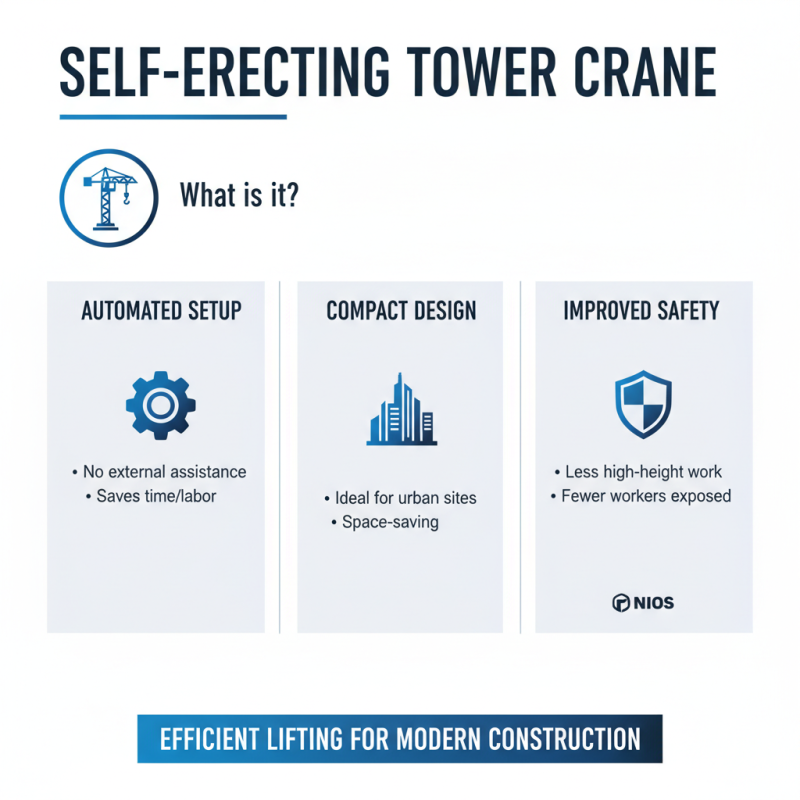
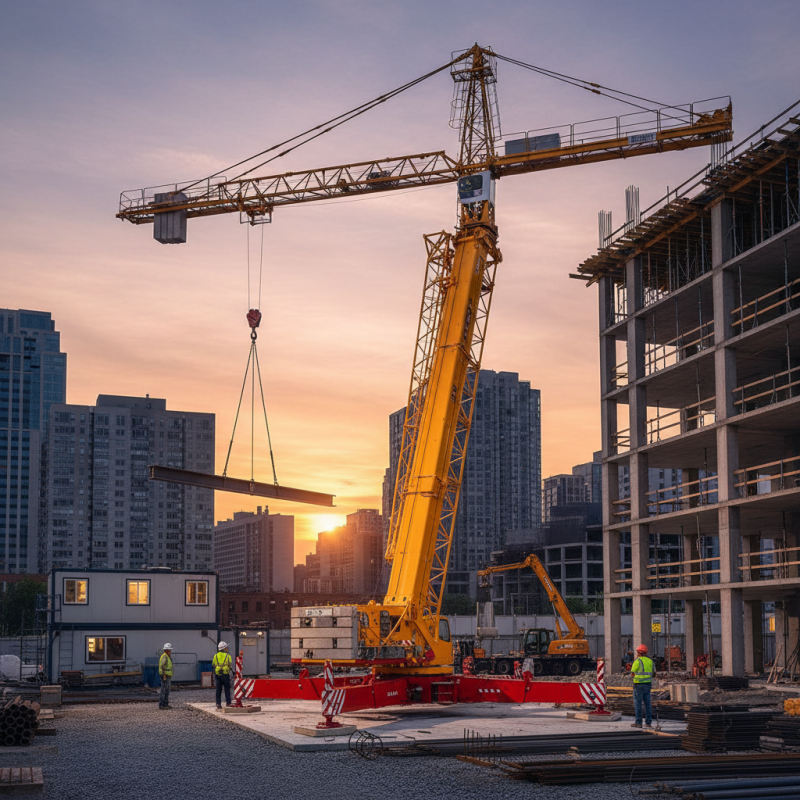
A self-erecting tower crane is a versatile construction tool designed for efficient lifting tasks. These cranes can erect themselves without the need for external assistance, saving time on site setup. They usually feature a compact design, making them ideal for urban environments where space is at a premium. Due to their automated setup, labor costs can decrease significantly. The National Institute for Occupational Safety and Health (NIOSH) notes that the use of self-erecting cranes can improve safety by reducing the number of workers exposed to high heights during assembly.
In recent years, there has been a notable increase in the adoption of self-erecting cranes. According to industry reports, the use of tower cranes in construction has grown by over 25% since 2018, with self-erecting models leading the way. These cranes can lift loads efficiently, often reducing the time taken to move materials on site. However, they are not without challenges. Operators must receive specialized training to ensure safe and effective use. Furthermore, their reliance on technology can pose issues if automated systems fail during operation.
While self-erecting cranes offer substantial benefits, they come with complexities. Each construction site presents unique challenges, and these cranes may not be suitable for all applications. Rigorous planning and assessment are crucial to effective utilization. Failing to accurately gauge site requirements can lead to inefficient use of equipment and increased project costs. This balance between benefit and potential drawbacks is essential for successful construction operations.
Applications of Self Erecting Tower Cranes in Construction
Self erecting tower cranes are becoming increasingly popular in the construction industry. They are perfect for small to medium-sized projects. These cranes are very versatile. They can adjust their height and can often be set up without a large base. This makes them ideal for urban construction sites.
Construction managers appreciate the efficiency these cranes bring. Self erecting tower cranes can be operated remotely, reducing the need for a large crew. They often require less setup time and minimal ground space. However, one key consideration is site access; some locations may be challenging for these cranes.
Despite their advantages, there are limitations. Their lifting capacity may not match larger cranes, impacting very large construction projects. Workers must also be trained in their operation for safety. Therefore, it's vital for contractors to assess project needs before choosing the right crane type. Utilizing self erecting tower cranes requires careful planning but can greatly enhance productivity.
Key Features of Self Erecting Tower Cranes
Self-erecting tower cranes are valuable in construction. They offer several key features that enhance efficiency and accessibility. One significant aspect is their ability to set themselves up quickly. This process reduces the need for additional machinery, saving time and costs on the job site. Additionally, their compact design allows them to be deployed in tight spaces. This is particularly useful in urban environments where space is limited.
The versatility of self-erecting tower cranes stands out. They can lift heavy materials to substantial heights with precision. This capability is crucial for high-rise construction projects. Another benefit lies in their remote control operation. Operators can monitor and control movements from a distance, ensuring safety on the ground. However, it requires skilled personnel trained to handle these sophisticated machines.
The construction industry is evolving, and self-erecting cranes fit well within this landscape. There are challenges that come with their use. For instance, setup might vary depending on site conditions. Sometimes, weather factors can complicate operations. It's essential to conduct thorough site assessments and training to maximize efficiency. Advanced technology comes with a learning curve. Developing expertise in this area can significantly impact project success.
Self Erecting Tower Cranes: Key Features and Benefits
Self erecting tower cranes offer numerous advantages in construction projects. This chart illustrates the key benefits as perceived by industry professionals, highlighting their efficiency, versatility, ease of use, and cost effectiveness.
Advantages of Using Self Erecting Tower Cranes
Self erecting tower cranes have gained popularity in modern construction. They are designed for easy setup and operation. One major advantage is their ability to operate in tight spaces. These cranes can be assembled quickly, saving valuable time on site. Their compact design makes them suitable for urban environments, where space is limited.
Another benefit is reduced labor costs. Fewer workers are needed to operate these cranes. Operators can control them from a distance, which increases safety on the job site. Moreover, many self erecting cranes have advanced technology, such as automatic leveling systems. This makes them user-friendly, even for less experienced operators.
Despite their benefits, some challenges exist. Proper training is essential to ensure safe operations. Also, their height can be a concern in low-rise areas. Each construction site has unique needs, and operators should assess these carefully. Balancing efficiency and safety is crucial when choosing a crane for a project.
Safety Considerations for Self Erecting Tower Cranes
Self-erecting tower cranes offer remarkable flexibility in construction. However, their operation raises critical safety considerations. According to the Occupational Safety and Health Administration (OSHA), improper setup and use lead to an increased risk of accidents. In the U.S., crane-related fatalities account for approximately 22% of construction site deaths. Ensuring proper operator training is vital for minimizing risks.
The stability of self-erecting cranes depends heavily on correct installation. Studies indicate that improper weight distribution during setup can lead to tipping, even in light winds. This underscores the need for rigorous inspections before operation. The National Institute for Occupational Safety and Health (NIOSH) emphasizes the importance of maintaining a thorough safety checklist. Regular maintenance and inspections can prevent failures and enhance safety.
Operator visibility is another safety concern. Limited sightlines can cause dangerous situations. Installing cameras and communication systems can mitigate this issue. However, reliance on technology must be balanced with operator training. Workers should be aware of potential blind spots. Regular safety drills can reinforce best practices, making everyone more aware of hazards. Effective communication among team members is essential to reduce errors and accidents on job sites.
What is a self erecting tower crane and its benefits? - Safety Considerations for Self Erecting Tower Cranes
| Dimension |
Details |
| Height |
Up to 100 meters |
| Max Load Capacity |
4 to 10 tons |
| Setup Time |
1 to 2 hours |
| Control Type |
Remote control or wired control |
| Major Benefit |
Reduced site footprint |
| Site Flexibility |
Easily movable to different locations |
| Safety Features |
Automatic self-erection and stability checks |
| Operator Training |
Mandatory certification courses |