2026 Top Crane Rigging Techniques for Global Buyers?
In the ever-evolving world of construction, understanding crane rigging is essential for global buyers. Crane rigging involves the use of specialized equipment to lift and move heavy loads safely. As technology advances, so do the techniques and methods used in this critical field. Buyers must be well-informed to make safe and efficient choices.
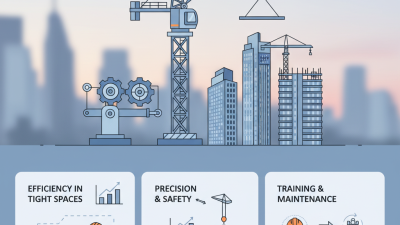
The demand for skilled riggers continues to grow, as construction projects become larger and more complex. Each region has unique challenges and regulations that affect crane rigging practices. This article explores the top techniques emerging in 2026, focusing on safety, precision, and innovative solutions. Emphasizing best practices can lead to improved outcomes, but it is crucial to reflect on past mistakes to avoid future errors.
Investing in training and understanding industry standards is important. However, the complexity of crane rigging can overwhelm newcomers. This article aims to clarify some of these complexities while providing insights into the latest trends. Global buyers can benefit from this knowledge, ensuring they choose the best techniques for their projects.

2026 Advances in Crane Rigging Techniques for Global Buyers
In 2026, crane rigging techniques are evolving rapidly, offering global buyers advanced solutions for lifting and transporting heavy loads. Recent industry reports indicate that over 70% of construction fatalities result from falls and crane mishaps. Improved rigging techniques can significantly enhance safety and efficiency on job sites. Digital tools for load monitoring and rigging configurations are gaining popularity. These innovations provide real-time data, allowing for more precise and safer operations.
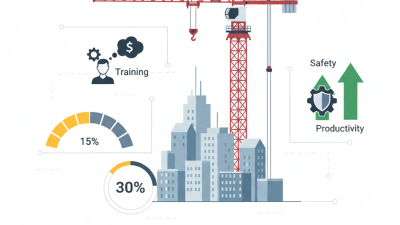
Furthermore, the introduction of lightweight, high-strength materials for rigging systems is reshaping industry standards. With these advancements, the load-bearing capacity of cranes can be increased without adding excess weight. One analysis from a leading construction safety organization highlighted that proper rigging practices could reduce accident rates by nearly 30%. Yet, despite these advancements, many projects still rely on outdated rigging methods. This inconsistency raises concerns about the overall safety and effectiveness of lifting operations globally.
Investing in proper training and adopting new technologies is crucial. Many rigging professionals are still not fully aware of the latest techniques and materials available. Bridging this knowledge gap can lead to safer job sites. Continuous education in rigging methods ensures optimal performance and adherence to safety standards. Buyers must remain vigilant in selecting partners who prioritize innovation and compliance.
Essential Crane Rigging Safety Measures for Effective Operations
Crane rigging involves complexities that demand strict safety measures. Effective operations depend on a solid understanding of these protocols. Recognizing potential hazards is the first step. For instance, operators should be aware of moving loads and their possible swing areas. This awareness can prevent accidents and injuries on the job site.
Proper training is essential for all personnel involved in crane operations. Each worker must know their role and responsibilities. A lack of knowledge can lead to mistakes, putting everyone at risk. Daily inspections of equipment ensure that all components are functioning correctly. Overlooking even minor issues can lead to catastrophic failures.
Using the right rigging gear is crucial for safety. Different loads require different approaches. Understanding weight limits and tension capacities is vital. Workers should not assume they know the best method. Continual learning and awareness of new techniques can prevent complacency. Even seasoned professionals need to refresh their knowledge. Challenges will always exist, and reflection on past experiences can enhance safety measures.
2026 Top Crane Rigging Techniques for Global Buyers
| Technique |
Description |
Safety Measures |
Efficiency Rating |
| Dynamic Load Monitoring |
Real-time monitoring of load dynamics to prevent overloads. |
Regular system checks, training on equipment. |
High |
| Proper Sling Selection |
Choosing the right sling type and material based on the load. |
Inspect slings regularly; store correctly. |
Medium |
| Load Angle Management |
Maintaining proper angles to reduce stress on rigging equipment. |
Training on load angles; real-time monitoring. |
High |
| Signal Person Utilization |
Employing a qualified signal person for safe lifting operations. |
Training and certification of signal persons. |
Very High |
| Rigging Inspection Protocols |
Establishing thorough inspection routines for rigging equipment. |
Daily inspections; maintenance logs. |
High |
Key Factors Influencing Crane Rigging Selection in 2026
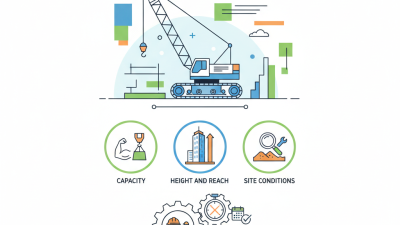
When selecting crane rigging techniques in 2026, many factors come into play. The type of load is crucial. Understanding weight distribution and center of gravity helps ensure safety. Rigging types vary based on material. Steel, synthetic, and even natural fibers have distinct properties. Weighing each option is important before making a decision.
Also, environmental conditions impact rigging choices. Temperature fluctuations can weaken materials, especially synthetic ones. Operators should consider these factors. Safety is paramount, not just for the load but for personnel involved. Training and certification for riggers ensure they understand risks and safety measures.
Lastly, regulations and standards can vary by region. Staying informed about local laws enhances compliance. However, it’s easy to overlook these details. Neglecting them can lead to costly mistakes. Therefore, continuous education and adaptation are essential in this evolving field. Keeping up with best practices and innovations will benefit buyers and users alike.
Comparative Analysis of Global Crane Rigging Practices and Innovations
Crane rigging practices vary widely across the globe, shaped by local regulations and technological advancements. A recent report from the International Association of Crane and Rigging Professionals indicates that significant differences exist in safety standards. For instance, North America tends to emphasize rigorous training, while some regions in Asia prioritize cost-effectiveness, sometimes compromising safety.
In evaluating innovations, Europe leads in integrating smart technology. Remote monitoring systems enhance safety and efficiency. However, many regions still rely on outdated methods, risking accidents and inefficiencies. A study highlighted that 30% of crane accidents stem from human error, often due to insufficient training. This statistic underscores the need for a balanced approach between innovation and human skill enhancement.
For successful rigging, prioritize thorough training and regular assessments. Invest in new technologies, but don’t neglect foundational skills. Engaging local experts can provide insights specific to regional challenges. Remember, each project is unique. Continual reflection on practices is vital for progressive improvement in crane rigging.
In evaluating innovations, Europe leads in integrating smart technology. Remote monitoring systems enhance safety and efficiency. However, many regions still rely on outdated methods, risking accidents and inefficiencies.
Emerging Technologies Shaping the Future of Crane Rigging Solutions
The landscape of crane rigging solutions is transforming due to emerging technologies. Robotics and automation are enhancing operational efficiency. According to a recent industry report, the global crane and rigging market is expected to grow at a CAGR of 5.8% from 2022 to 2030. Technologies like IoT enable real-time data monitoring, improving safety and reducing downtime.
As companies adopt these technologies, training becomes crucial. Workers must adapt to new tools and techniques. It’s vital to invest in regular training sessions and workshops to build competency. A skilled workforce ensures not only safety but also maximized productivity.
Cost management is another concern. Implementing advanced solutions may require a sizable initial investment. Harsh realities reveal that technology alone does not guarantee success. Careful analysis of each project’s unique requirements is essential for making informed decisions. Exploring options like leasing equipment or bundling service contracts can also provide a financial edge. In this evolving sector, staying informed and adaptable is the key to thriving.