What Is the Best Rough Terrain Crane in 2026?
What Is the Best Rough Terrain Crane in 2026? The answer depends on the worksite, not a glossy specification sheet. A crane lifting steel beside a muddy bridge needs different strengths from one serving a compact industrial yard. Ground pressure, lifting radius, transport rules, operator visibility, and service access can change the result quickly. No model wins every site.
Industry data supports this practical view. The 2024 Yellow Table from International Construction shows continued strength among global construction-equipment manufacturers, while Off-Highway Research reports sustained demand for mobile equipment in infrastructure and industrial projects. Market forecasts from Research and Markets also identify mobile cranes as a major equipment segment, driven by construction renewal, energy projects, and urban development. These reports describe market direction. They do not identify one universally superior rough terrain crane.
That distinction matters. A credible 2026 comparison should examine rated capacity, maximum lifting height, working radius, boom configuration, hydraulic efficiency, tire performance, and electronic load-management systems. It should also measure less visible costs, including fuel consumption, scheduled maintenance, tire replacement, spare-parts availability, and technician support. A 50-ton crane may appear powerful, yet a smaller unit could deliver better value on restricted sites. Real experience often exposes this gap.
Safety remains central. Manufacturers should provide verifiable load charts, inspection guidance, and operator documentation aligned with applicable regional standards. Buyers should confirm local requirements before purchase. My evaluation may favor machines with stronger service networks over machines with the highest headline capacity. That is not a perfect rule. It is a more honest one.
What Defines a High-Performance Rough Terrain Crane in 2026?
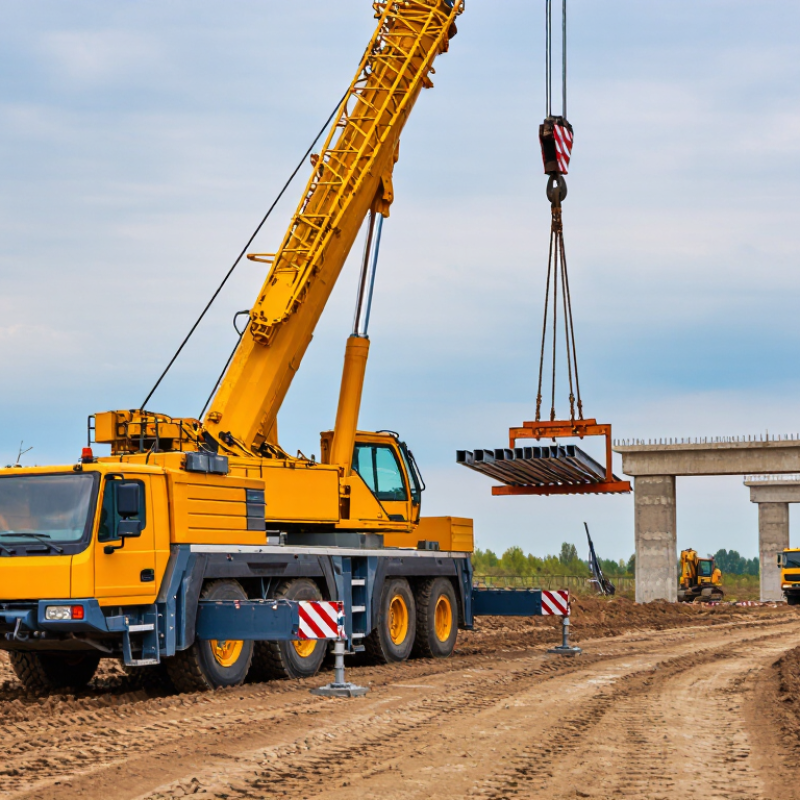
A high-performance rough terrain crane in 2026 must do more than lift heavy loads. It must place them accurately on uneven ground, often beside unfinished roads or compact work zones. Field crews notice stability first: a wide footprint, dependable outriggers, and clear load charts reduce rushed decisions. That matters. Operators also need responsive controls, smooth swing motion, and visibility around the counterweight. A crane that feels powerful but jerky can increase placement time and operator fatigue.
Modern performance includes intelligent load monitoring, fault alerts, and data that supports scheduled maintenance. These systems should assist judgment, not replace it. Sensors can drift. Regular inspections remain essential, including checks of hydraulic lines, tires, pins, hooks, and emergency functions. Fuel efficiency matters, but low consumption means little if the machine loses power during repeated lifts. Real performance appears across a full shift.
In 2026, the strongest choice will match capacity, terrain, transport limits, and the crew’s actual experience. A compact crane may outperform a larger one where access is restricted. A higher rated capacity may also create unnecessary cost and setup demands. I would question any specification sheet that ignores wind, ground pressure, visibility, or service support. Jobsite records, operator feedback, and verified testing provide more reliable evidence than impressive marketing language. The details are easy to overlook.
How Rough Terrain Crane Models Compare by Capacity and Mobility
What Is the Best Rough Terrain Crane in 2026?
How Rough Terrain Crane Models Compare by Capacity and Mobility
Choosing the best rough terrain crane starts with the worksite, not the largest capacity number. In field planning, I compare rated load charts, lifting radius, ground conditions, and transport limits. Capacity is only one part of performance. A 30-ton crane may handle steel placement efficiently on a compact site. A 70-ton model offers greater reach, but its larger frame can restrict access between buildings. Small details matter.
Mobility often separates similar crane models. Four-wheel drive, crab steering, and independent axle movement help machines cross gravel, mud, and uneven slabs. Tight steering geometry can reduce repositioning time. However, mobility does not cancel stability requirements. Operators still need level ground, proper outrigger placement, and verified load calculations. A long boom may improve reach, yet it can reduce capacity sharply at greater radii.
Reliable selection requires more than a sales brochure. Check the current load chart, inspection records, safety devices, tire condition, and service history. Independent inspection adds useful evidence, especially for used equipment. I also compare cab visibility and control responsiveness because operator fatigue affects precision. Sometimes, I overvalue maximum capacity. That is worth questioning. The best choice may be the crane that arrives easily, sets up quickly, and maintains safe capacity throughout the actual lift.
Which Safety and Control Features Matter Most on Difficult Sites?
What Is the Best Rough Terrain Crane in 2026?
On difficult sites, the best rough terrain crane is not simply the strongest machine. It is the one that makes changing risks visible. Operators need reliable load-moment indicators, anti-two-block protection, boom-angle displays, and clear alarms. These controls matter when uneven ground, wind, and blind corners interact.
The U.S. Bureau of Labor Statistics recorded 1,075 construction fatalities in 2023, with a fatality rate of 9.6 per 100,000 full-time workers. The figure covers all construction work, not cranes alone, but it shows why basic controls cannot be treated as optional. OSHA rules require competent inspections, stable ground conditions, and proper operational aids. ISO 12480-1 also emphasizes planned lifting, trained personnel, and controlled work zones. A useful crane should provide readable diagnostics from the cab, not confusing warning lights during a lift.
Tips: Check the ground before positioning. Use timber or engineered mats where required. Confirm outrigger pressure, wind readings, and rated capacity on the actual radius. Keep a spotter visible near blind areas, and stop when communication becomes uncertain.
I would also test the controls in realistic conditions. Bright sunlight can wash out displays. Mud can hide leaks. A perfect brochure cannot reveal those weaknesses. Some safety features still depend too heavily on human attention, which deserves honest review before purchase.
How Operating Costs and Maintenance Affect Crane Selection
The best rough-terrain crane in 2026 is not automatically the one with the highest lift rating. Selection should start with the jobs it will actually perform: load weights, travel distance, ground conditions, and hours worked each week. Track expected fuel use and tire wear alongside the purchase price. A crane that spends long shifts crossing rocky sites may cost more to operate than its specifications suggest. Downtime adds up.
Maintenance costs depend on access to service, replacement parts, and the complexity of routine checks. Ask how often filters, fluids, tires, and hydraulic components need inspection or replacement. Check whether technicians can reach common service points without extensive disassembly. On muddy or uneven sites, daily cleaning and inspections may take longer than planned. That matters.
Compare total operating costs over the years you expect to keep the crane, not just its quoted price. A slightly higher-priced machine may be more economical if routine service is simpler and parts arrive quickly. Still, a spreadsheet can mislead when estimates assume perfect working conditions. Use records from similar jobs where possible, and leave room for unexpected repairs and idle days.
Which Rough Terrain Crane Best Fits Your Project Requirements?
The best rough terrain crane in 2026 is the one that fits your site and lift plan—not simply the one with the highest rated capacity. Start with the heaviest load, then check the required lift radius, boom length, and working height. Capacity changes as the boom extends. A load chart must match the crane’s exact configuration, including outrigger position and reeving.
Ground conditions matter just as much. A muddy access track, sloped work area, or soft shoulder can limit where the crane can travel and set up. Check tire clearance, four-wheel-drive capability, overall dimensions, and ground-bearing pressure against the site conditions. Space is tight. If the crane must pass beneath cables or work near a building, measure those clearances before comparing machines.
For a compact project with frequent repositioning, maneuverability may be more valuable than maximum reach. For heavier lifts, confirm the load chart at the actual working radius, not just the headline capacity. Ask the rental provider for configuration details and a site inspection when conditions are uncertain. Even a careful checklist can miss a buried soft spot or changing access route. That is worth planning for. A crane that looks suitable on paper may still be a poor fit once the ground, setup area, and lift sequence are considered.