How to Choose the Right Crane Rigging Equipment?

Choosing the right crane rigging equipment is not a simple buying decision. It is a safety decision shaped by load weight, geometry, lifting points, environment, and operator experience. A sling that looks strong may fail when the angle changes. A shackle that fits may still have an unsuitable working load limit. Small details matter.

Rigging educator David Duerr states, “Rigging is not a place for guessing.” That warning deserves attention. Every lift should begin with verified information, not assumptions made beside a busy worksite. This guide examines how to select crane rigging equipment for different lifting conditions, including wire rope slings, chain slings, synthetic slings, shackles, hooks, and below-the-hook devices.

Start with the load.

Confirm its actual weight, center of gravity, lifting points, and surface condition. Then consider sling angles, edge protection, temperature, chemicals, abrasion, and available clearance. A narrow sling angle can increase tension dramatically. A sharp edge can damage synthetic material within seconds. Weather can also change a controlled lift into a difficult one.

Experienced riggers know that equipment selection is only one part of the process. Inspection, communication, documented procedures, and competent supervision are equally important. Still, mistakes happen. Even experienced teams may overlook an uneven load or rely on an outdated capacity label. That is why every lift deserves a deliberate review.

This article will help readers compare equipment choices, understand working load limits, recognize common selection errors, and build a more dependable crane rigging plan. Safety should never depend on confidence alone. Check twice. Lift once.

How to Choose the Right Crane Rigging Equipment?

Understanding Crane Rigging Equipment and Its Main Types

How to Choose the Right Crane Rigging Equipment?

Crane rigging equipment connects the load to the crane, but each component handles force differently. Wire rope slings suit heavy, durable loads and repeated lifting. Chain slings tolerate heat, sharp edges, and rough conditions when properly protected. Web slings are lightweight and flexible, making them useful for painted or delicate surfaces. They can still suffer cuts, burns, and crushing.

Shackles provide strong connection points between slings, hooks, and lifting attachments. Hooks must have functioning safety latches and no visible distortion.

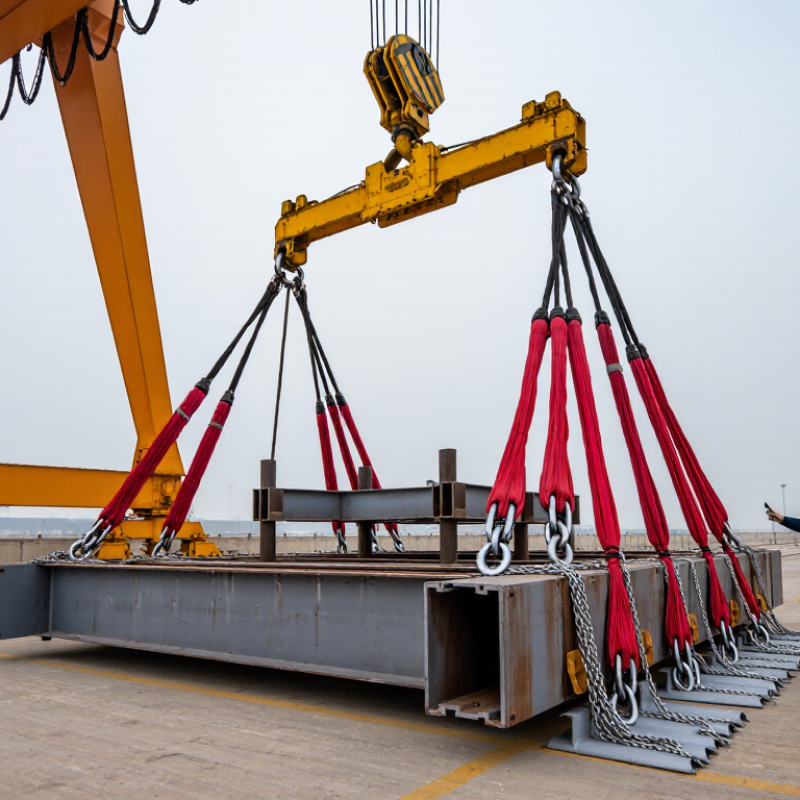
Spreader beams help control sling angles and reduce side pressure on long or fragile loads.

The working load limit, load weight, center of gravity, and sling angle must agree before lifting begins. A small angle change can increase sling tension quickly.

Check identification tags, stitching, links, pins, and protective sleeves before every job. Remove equipment with stretched links, broken wires, chemical damage, or unreadable markings.

Site conditions matter too. Moisture, heat, sharp corners, and sudden loading can change a safe plan.

A tidy inspection sheet is useful, but it cannot replace a trained person examining the equipment closely.

The choice is rarely perfect. I have found that hurried selections often focus on capacity while ignoring balance and connection points. That is where avoidable problems begin.

When uncertain, pause the lift and ask a competent lifting professional to verify the arrangement.

Assessing Load Weight, Shape, and Center of Gravity

How to Choose the Right Crane Rigging Equipment?

Assessing Load Weight, Shape, and Center of Gravity

Choosing rigging equipment starts with accurate load information, not guesswork. Confirm the load’s weight from drawings, markings, or verified measurements. Add pallets, packaging, lifting beams, and any attached tools. A small overlooked item can change the required capacity.

Shape matters just as much. A smooth steel pipe may roll, while a sharp-edged frame can cut unprotected slings. Check for lifting points, unstable surfaces, and edges that could damage the equipment. Select slings, shackles, hooks, or spreader beams according to their rated capacity and condition. Never rely on appearance alone.

The center of gravity deserves careful attention. It may sit away from the geometric center, especially in machines with motors, fluids, or uneven frames. If the connection points do not balance around it, the load can tilt suddenly. That movement can overload one sling and shift the crane’s force. Keep people outside the fall zone.

I once underestimated how quickly a tilted load could rotate. The plan looked clean on paper. It needed another review.

Use a controlled trial lift only when the site procedure allows it. Raise the load a few centimeters and pause. Watch for slipping, bending, unexpected tilt, or abnormal tension. Lower it immediately if anything looks wrong. A qualified lifting professional should verify unclear weights, unusual shapes, and complex centers of gravity before the lift proceeds.

Matching Rigging Equipment to Lifting Conditions

Choosing crane rigging equipment starts with the lifting conditions, not the load chart alone. Identify the load’s weight, center of gravity, shape, edges, and lifting points. Then assess temperature, chemicals, rain, wind, abrasion, and available headroom. A wire-rope sling may suit a hot steel component, while a synthetic sling may protect a finished surface. Sharp edges require proper corner protection. Small details matter.

The U.S. Bureau of Labor Statistics recorded 1,069 fatal construction work injuries in 2023. This figure covers many hazards, but it shows the environment’s exposure level. The International Labour Organization reported nearly 3 million work-related deaths globally each year. Rigging choices must therefore support controlled movement, not merely rated capacity. Select shackles, hooks, and slings according to applicable requirements, including OSHA 1910.184 and relevant ASME B30 standards. Never treat a tag as the entire inspection.

Field experience often reveals weak assumptions. A “safe” sling can fail when loaded sideways, dragged across concrete, or bent over a narrow edge. I have seen teams measure weight carefully but overlook unequal leg loading. That mistake is easy to make. Before lifting, verify sling angles, connection points, clearance, and communication signals. Inspect for cuts, distortion, corrosion, broken wires, heat damage, and unreadable identification. Stop when conditions change. A forecast can shift, the load can rotate, and the original plan may no longer fit.

How to Choose the Right Crane Rigging Equipment? - Matching Rigging Equipment to Lifting Conditions
Lifting Condition Load Characteristics Recommended Rigging Equipment Typical Configuration Important Selection Criteria Main Limitations Pre-Use Inspection Focus
General-purpose lifting Compact, balanced loads with suitable lifting points and a clearly defined center of gravity. Alloy steel chain sling, wire rope sling, or synthetic web sling selected according to the load and environment. Two-leg or four-leg sling assembly connected to rated shackles and the crane hook. Confirm the working load limit (WLL), sling angle, load weight, center of gravity, and connection-point capacity. Do not exceed the marked WLL. Angled loading can substantially increase leg tension compared with a vertical lift. Check identification tags, broken wires, stretched links, cuts, chemical damage, deformed fittings, and latch operation.
Sharp-edged or abrasive loads Steel plates, fabricated sections, machinery bases, or other loads with edges that can cut or wear the sling. Wire rope sling or chain sling; use edge protection when a textile sling is selected. Basket hitch or choker hitch with protective sleeves, corner protectors, or softeners at contact points. Match the sling type to the edge condition, protect the sling from cutting, and prevent the sling from sliding. A synthetic sling can be damaged quickly by an unprotected edge, even when the load weight is within its rated capacity. Look for broken or pulled fibers, melted areas, cuts, crushed sections, damaged wire strands, and exposed core material.
Hot materials or elevated temperatures Molten-metal containers, recently welded fabrications, heat-treated parts, or loads with hot contact surfaces. Alloy steel chain sling or a heat-rated wire rope sling, selected for the actual temperature and exposure time. Choker or vertical arrangement with heat-resistant connections and adequate clearance from hot surfaces. Verify the sling’s allowable temperature range, exposure duration, load stability, and protection from radiant heat. Synthetic web and round slings can lose strength or melt when exposed to excessive heat; never rely on appearance alone. Inspect for heat discoloration, fused fibers, scale damage, cracked links, deformation, and loss of tag information.
Chemical or corrosive environment Loads handled near acids, alkalis, solvents, plating baths, chemical process areas, or contaminated surfaces. Select chain, wire rope, or synthetic equipment only after confirming chemical compatibility with the specific substance. Use compatible shackles, hooks, and protective sleeves; keep the sling clear of chemical pools and residue where possible. Identify the chemical, concentration, temperature, contact time, and cleaning method before selecting the sling material. Some chemicals attack synthetic fibers, wire rope cores, coatings, or alloy steel. Corrosion may be hidden beneath coatings. Check for corrosion, pitting, discoloration, swelling, brittle fibers, coating deterioration, and illegible identification tags.
Delicate or finished surfaces Painted equipment, polished components, glass-lined vessels, coated structures, or loads vulnerable to dents and scratches. Synthetic web sling or round sling with suitable protective sleeves and non-marking contact surfaces. Basket hitch with broad load contact, balanced lifting points, and padding at corners and edges. Select adequate sling width, protect the sling from edges, prevent point loading, and control load movement. Soft slings can be cut or crushed by small-radius edges; surface protection does not increase the sling’s WLL unless specifically rated. Inspect the sling body, stitching, protective cover, eyes, fittings, and any areas exposed to crushing or abrasion.
Long, flexible, or bending loads Beams, pipes, panels, structural members, or loads that may deflect, rotate, or become unstable during lifting. Spreader beam or lifting beam with appropriately rated slings, shackles, and connection points. Multi-point lift with the beam supporting the load at planned locations to control bending and sling angle. Check beam capacity, load distribution, pick-point spacing, headroom, deflection, and the center of gravity. A direct multi-leg sling arrangement may pull the load inward, causing bending, crushing, or uncontrolled rotation. Verify beam identification, welds, pins, lifting lugs, end connections, locking devices, and evidence of distortion.
Low-headroom lifting Loads lifted inside buildings, under pipe racks, beneath bridges, or in areas with limited vertical clearance. Short-leg chain or wire rope slings, compact shackles, lifting points, or a low-headroom spreader arrangement. Keep sling legs as short as practical while maintaining a safe angle and sufficient clearance from the load. Calculate total lifting height, include hook and fitting dimensions, and confirm that the crane has adequate capacity at the radius. Shortening slings with knots, makeshift devices, or unsuitable hardware is unsafe and can damage the sling. Check shortening devices, connectors, hooks, pins, latches, and evidence that the assembly has been altered or overloaded.
Uneven or offset center of gravity Asymmetrical machinery, vessels with internal components, dies, molds, or loads with unequal weight distribution. Adjustable lifting beam, spreader beam, multi-point sling system, or engineered lifting fixture. Position lifting points around the calculated center of gravity and use adjustable connections where permitted. Determine the center of gravity, verify individual point loads, control tilt, and perform a low-height trial lift. An incorrectly positioned sling can cause sudden tilting, sliding, shock loading, or excessive load on one leg. Inspect lifting lugs, bolted connections, beam adjustments, shackles, and signs of uneven loading or deformation.
Submerged or wet lifting Loads lifted from water, tanks, wet processing areas, or locations where equipment may retain liquid. Corrosion-resistant or suitably protected rigging selected for the water, salt, chemical, and drainage conditions. Use drainage-conscious connections and avoid trapped water or materials that can shift as the load leaves the liquid. Account for buoyancy changes, retained liquid, corrosion exposure, suction, and the possibility of sudden load transfer. Wet or contaminated slings may have reduced service life; a load can become heavier as water drains during the lift. Check corrosion, trapped debris, damaged coatings, stretched fibers, rust scale, and proper drying or cleaning after use.
Precision positioning or controlled rotation Loads requiring accurate placement, vertical alignment, turning, or controlled orientation during installation. Lifting beam, swivel-rated hardware where appropriate, tag lines, spreader arrangement, or an engineered turning device. Use multiple controlled attachment points and maintain clear communication between the crane operator and signal person. Confirm rotational forces, hardware suitability, sling angles, clearance, and whether the equipment is rated for side loading. Standard hooks and shackles are not automatically suitable for uncontrolled side loading, rolling, or twisting operations. Inspect swivels, hooks, shackles, pins, welds, tag lines, and any component exposed to torsion or side loading.
Outdoor lifting in wind Large panels, vessels, duct sections, tanks, or other loads with a substantial projected surface area. Spreader beam or lifting beam with tag lines and rigging sized for the load, wind exposure, and planned lift path. Use multiple attachment points to improve control and keep personnel outside the suspended-load and swing areas. Follow the lift plan and site wind limits; consider sail effect, crane capacity, load control, and nearby obstructions. Wind can cause rapid rotation, side loading, loss of control, or contact with structures even when the load is relatively light. Check tag lines, connection points, sling protection, hardware security, and weather conditions immediately before lifting.
Heavy industrial machinery Dense loads with high weight, concentrated contact points, uneven geometry, or uncertain internal components. Engineered lifting beam or spreader beam with rated shackles, lifting lugs, and appropriately selected slings. Four-point or multi-point lift designed to distribute the load and maintain a stable, nearly level orientation. Verify the actual weight, center of gravity, lifting-point rating, crane capacity, floor capacity, and travel path. Machinery may contain fluids or movable parts that shift the center of gravity; never assume the transport position is stable. Inspect lifting lugs, mounting bolts, shackles, beam welds, sling tags, and evidence of previous shock loading.
Important: Working load limits depend on the specific sling type, hitch configuration, angle, hardware, temperature, condition, and applicable regulations. Always use the manufacturer’s identification tag and approved lift plan, and have the rigging arrangement verified by a competent person before lifting.

Checking Safety Standards, Capacity Ratings, and Inspection Needs

Choosing the right crane rigging equipment begins with verified safety standards, not appearance. Check whether slings, shackles, hooks, and lifting beams meet the standards required in your worksite and jurisdiction. Confirm material traceability, markings, and inspection records before use. Look beyond the label.

On a real lift, capacity ratings must match the complete arrangement. A sling’s rated capacity can change with angle, hitch type, edge contact, and temperature. Calculate the working load limit for the actual configuration, not the strongest number printed in a catalog. Include the load’s weight, center of gravity, and possible shock loading. A small angle error can create a serious force increase. Never exceed the lowest-rated component.

Inspection needs should be practical and scheduled. Before each lift, look for cuts, crushed fibers, bent hooks, stretched links, damaged latches, corrosion, and unreadable identification tags. Remove questionable equipment from service immediately. Detailed inspections should be completed by a competent person at intervals based on use, exposure, and site conditions. Record findings with dates and clear defect descriptions. I have seen teams check the rigging but overlook sharp edges beneath a load. That mistake is easy to repeat. A neat checklist can still miss field conditions. Train operators to pause, question unusual wear, and verify that the selected equipment suits the lift plan. Record everything.

How to Choose the Right Crane Rigging Equipment?

Two-leg sling load sharing changes with the sling angle. The values below show the approximate percentage of the total load carried by each leg when both legs share the load equally. Lower angles increase leg tension and reduce the available working load limit.

Always verify the marked working load limit, use compatible hardware, follow applicable requirements such as OSHA 29 CFR 1910.184 and ASME B30.9, and complete a pre-use inspection. Remove equipment from service if damage, excessive wear, deformation, broken stitching, corrosion, or illegible identification is found.

Selecting Equipment Based on Site, Environment, and Handling Methods

How to Choose the Right Crane Rigging Equipment?

Selecting rigging equipment starts with the worksite, not the load alone. I inspect the ground, access routes, overhead clearance, and nearby structures before choosing a sling or shackle. A narrow doorway may require a compact lifting arrangement. Soft or uneven ground may demand load-spreading mats beneath mobile equipment. Small details matter.

Environmental conditions can change equipment performance. Outdoor lifting may expose wire rope and fittings to rain, salt, dust, or strong wind. Indoor work can still involve heat, chemicals, poor lighting, or restricted ventilation. For a wet site, corrosion-resistant components and careful post-use drying can reduce deterioration. Always check rated capacities, temperature limits, and inspection records. Never rely on appearance alone.

The handling method also shapes the selection. A vertical lift, basket hitch, controlled rotation, or long horizontal load needs different support points. Edge protection is essential when slings pass over sharp corners. A spreader beam can reduce side loading and improve balance on wide loads. Before lifting, I prefer a slow test raise of a few inches. It reveals shifting, unstable angles, or unexpected contact. I have seen teams choose equipment correctly but ignore the load’s center of gravity. That mistake is easy to repeat. A competent lifting professional should verify the plan, inspect every component, and stop the operation when site conditions change.