Buying lifting equipment across borders is not only a price decision. It is a risk-control decision.
The International Labour Organization estimated 2.93 million work-related deaths worldwide in 2019. Its 2023 report also identified approximately 395 million nonfatal work injuries. These figures include many industries, not only lifting operations. Still, they reveal the human cost of weak prevention. In the United States, the Bureau of Labor Statistics recorded 1,075 fatal work injuries in construction and extraction occupations during 2023. Crane rigging mistakes can turn an ordinary delivery into a catastrophic event.
Small details matter.
David Duerr, author of the Rigging Handbook, states, “Know the load before you lift it.” That principle remains practical for global buyers. A supplier should clearly document working load limits, sling angles, identification tags, inspection intervals, and material traceability. A shiny hook is not proof of safety. A translated manual is not proof of competence.
This guide presents 10 crane rigging safety tips for buyers managing international suppliers, warehouses, ports, and construction sites. It considers recognized frameworks, including OSHA 29 CFR 1926 Subpart CC, ISO 12480-1, and the UK HSE’s lifting-equipment guidance. Requirements differ between countries. They must be checked locally.
A perfect checklist does not exist. That is the uncomfortable part. Load weight may be estimated incorrectly, communication may fail, or a damaged sling may pass unnoticed. Buyers therefore need more than certificates. They need competent inspections, realistic lift plans, qualified personnel, and records that can be verified before the first lift.
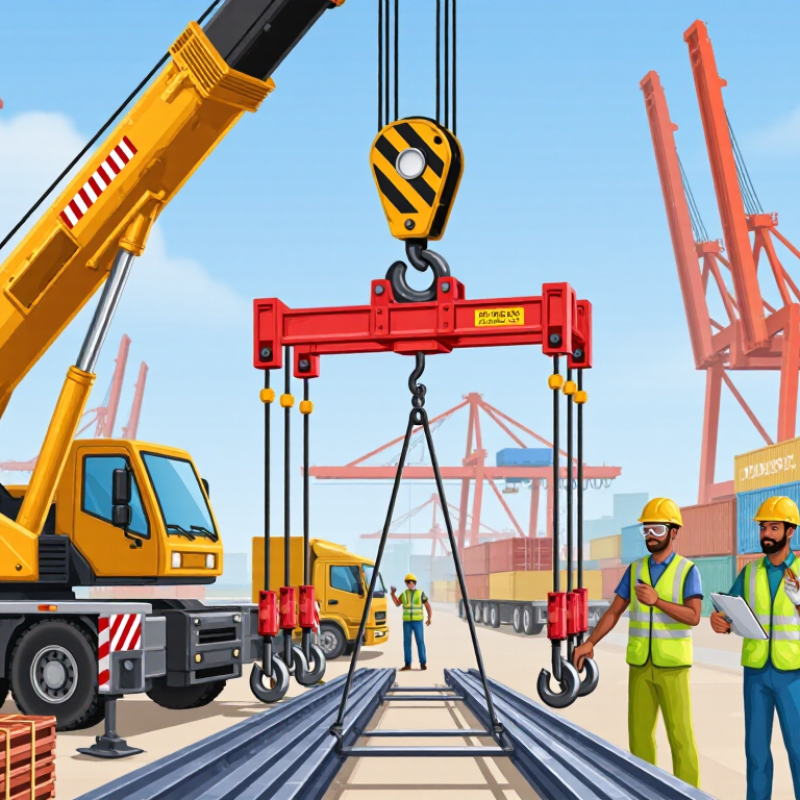
Identify key hazards before selecting equipment. Confirm the load’s weight, center of gravity, lifting points, and travel path. Check the working load limit on every sling, shackle, hook, and spreader beam. Never estimate. Use current inspection records and readable identification tags.
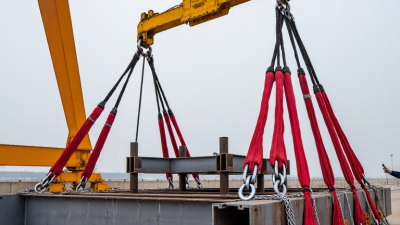
Inspect wire ropes, web slings, and hooks for cuts, corrosion, distortion, and broken wires. Protect slings from sharp edges with suitable corner guards. Calculate sling angles because smaller angles increase leg tension.
Keep the load balanced and prevent sudden starts. Use tag lines when rotation or swinging is possible. Establish a clear exclusion zone below and around the load. One trained signaler should direct the operator.
International buyers must verify which rules apply at the installation site. Requirements may differ between national regulations, port procedures, and project specifications. Check relevant lifting standards, equipment certification, operator qualifications, and inspection intervals before shipment. Documents should be accurate, traceable, and available in a language workers understand. A local competent person should review the lifting plan.
I have seen excellent equipment used with poor communication. That remains a serious hazard. A checklist helps, but it cannot replace judgment during changing weather, crowded work areas, or unusual lifts. Pause the operation when conditions differ from the approved plan. Recheck the load, signals, and ground stability. Five quiet minutes can prevent a costly mistake.
Safe crane work starts with the actual load, not a familiar sling. Confirm the weight, dimensions, center of gravity, and lifting points before selecting equipment. A load chart must match the crane configuration, boom length, and working radius. Sling capacity also changes with the angle. A shallow sling angle creates higher tension, sometimes much higher than expected. I have seen teams focus on rated capacity while overlooking sharp edges and uneven loading.
Rigging tips: Use certified slings, shackles, hooks, and spreader beams. Check working load limits before every lift. Inspect for cuts, distortion, corrosion, stretched links, or missing identification. Protect slings from rough edges. Keep the load balanced and prevent side loading. Use tag lines when rotation is possible. Establish one clear signaler. Keep workers outside the suspended-load zone. Stop lifting during unsafe wind or poor visibility. Record inspections and remove doubtful equipment immediately.
Conditions can change after the plan is approved. Wet surfaces, confined spaces, nearby structures, and shifting materials may require different rigging choices. Leave enough clearance for the load and the crane’s movement. Never guess the load weight. If the center of gravity is uncertain, perform a controlled trial lift only under competent supervision. It is easy to become overconfident after many successful lifts. That habit needs correction. A brief pause, a second measurement, or another experienced opinion can prevent a serious mistake.
Crane rigging safety begins before any sling, shackle, or hook reaches the worksite. Global buyers should verify the supplier’s legal registration, manufacturing history, inspection process, and technical personnel. Ask for traceable records, not general promises. The supplier should identify the factory, production batch, material grade, and responsible inspector. A complete address matters. So does a reachable contact.
Product quality requires more than a polished surface. Check wire rope diameter, sling stitching, shackle markings, hook latches, and load-rating labels. Request independent test reports when the lifting capacity is critical. Compare the report with the actual product dimensions and serial numbers. A neat certificate can still describe a different batch. That mistake is surprisingly easy. Photographs help, but they cannot replace physical inspection. Consider sending samples to an accredited laboratory before placing a large order.
Certification documents should be current, readable, and relevant to the exact equipment. Review certificates of conformity, material reports, test records, inspection procedures, and operating instructions. Confirm the issuing organization and its accreditation status through official channels. Requirements may differ between the exporting country, importing country, and final worksite. Ask the supplier to explain those differences in writing. Do not rely on copied templates. During an audit, missing revision dates or inconsistent serial numbers should stop approval until clarified. Even experienced purchasing teams can overlook a small document mismatch, so use a second reviewer for every high-risk order.
| No. | Safety Focus | What Global Buyers Should Verify | Recommended Evidence or Test | Key Acceptance Criteria | Priority |
|---|---|---|---|---|---|
| 1 | Confirm the rated capacity | Check the working load limit (WLL) or safe working load (SWL) for the complete lifting assembly, including slings, shackles, hooks, spreader beams, and connecting hardware. | Review the product label, technical datasheet, load chart, and configuration-specific calculations. | The stated capacity must be suitable for the intended load, lifting angle, connection method, and duty conditions. Never rely only on the breaking load. | High |
| 2 | Verify supplier competence | Assess the supplier's documented experience in manufacturing or supplying lifting equipment and their quality-control procedures. | Request a valid quality-management certificate, factory audit records, process-control documents, and qualified inspection personnel records. | Documents must be current, traceable to the legal manufacturing entity, and relevant to the product category being purchased. | High |
| 3 | Check material traceability | Confirm that load-bearing components are made from specified materials with identifiable heat, batch, or lot numbers. | Review material certificates, purchase specifications, heat-number records, and manufacturing traceability logs. | Material documentation should match the component markings and the ordered grade. Substituted materials require written engineering approval. | High |
| 4 | Inspect weld and fabrication quality | For hooks, lifting beams, frames, and welded assemblies, verify welding procedures, welder qualifications, and inspection coverage. | Request welding procedure specifications, welder qualification records, visual inspection reports, and applicable non-destructive testing reports. | Welds must meet the specified acceptance standard, with no unapproved cracks, lack of fusion, excessive undercut, or distortion affecting safe operation. | High |
| 5 | Validate certification documents | Ensure certificates and declarations correspond to the exact model, capacity, serial number, and intended market. | Cross-check certificates of conformity, inspection certificates, test certificates, manuals, and applicable regulatory declarations. | Each document should show the issuing organization, issue date, product identification, applicable standard, signature or authorization, and document revision. | High |
| 6 | Require proof-load or functional testing | Determine whether the equipment requires a proof-load, functional, overload, or operational test before shipment or commissioning. | Obtain a signed test report showing test method, applied load, duration, measured results, equipment identification, and inspector details. | Test values and methods must follow the applicable design standard, legal requirement, or approved engineering procedure. Test results must be reproducible and traceable. | High |
| 7 | Inspect slings and rigging hardware | Check wire-rope slings, chain slings, web slings, shackles, hooks, and master links for correct markings and visible damage. | Use a pre-shipment inspection checklist covering wear, deformation, corrosion, cuts, broken wires, damaged stitching, hook latches, and pin condition. | Reject items with illegible identification, unauthorized repairs, severe wear, heat damage, cracks, permanent deformation, or missing safety devices. | High |
| 8 | Review operating and maintenance instructions | Confirm that manuals explain installation, inspection frequency, lubrication, storage, operating limits, lifting plans, and retirement criteria. | Review the manual before purchase and verify that it is available in the required language for the destination country and operating team. | Instructions must identify foreseeable hazards, prohibited uses, environmental limits, inspection responsibilities, and procedures for removing defective equipment from service. | Medium |
| 9 | Account for local regulations and standards | Identify the legal requirements in the importing and operating countries, including inspection, registration, labeling, and operator-training obligations. | Compare the supplier's documents with applicable national rules and recognized standards such as ISO 12480-1, ISO 9927-1, ISO 4309, ASME B30 series, or relevant regional requirements. | The selected compliance route must be agreed before production. Local requirements take precedence where they are legally mandatory. | High |
| 10 | Perform an independent pre-shipment inspection | Use an independent qualified inspector to verify quantity, dimensions, markings, workmanship, documentation, packaging, and conformity to the purchase order. | Commission a documented inspection with photographs, serial-number records, dimensional checks, sampling plans, nonconformance reports, and corrective-action closure. | Shipment should be released only after critical nonconformities are closed and the inspected items match the approved drawings, specifications, and certification package. | High |
Before every crane lift, inspect the full load path, not only the visible sling. Experienced crews examine each component under good light. Look for broken wires, crushed fibers, cuts, heat damage, corrosion, or stretched links. A sling can look acceptable from a distance and still be unsafe. Check its identification tag, rated capacity, length, and inspection status. Missing information is a stop signal.
Examine shackles for bent bows, damaged pins, worn holes, and unreadable markings. The pin must seat fully and match the shackle body. Never replace it with a bolt or improvised hardware. Inspect hooks for cracks, distortion, excessive throat opening, and latches that fail to close. The latch is not a substitute for correct loading. Keep the load centered in the hook bowl, away from the tip. Small details matter.
Connections deserve equal attention. Confirm sling angles, master links, hooks, and lifting points align without twisting. Remove dirt or ice that hides damage. A competent person should verify capacity against load weight, center of gravity, and planned movement. Inspection records help global buyers compare suppliers and maintain consistent checks across sites. Local requirements and site procedures may differ, so verify them before purchase and use. We sometimes rush inspections when production is late. That is a human weakness, not a safe method. Stop the lift when damage, uncertainty, or poor communication remains.
A safe crane lift begins before equipment arrives. Global buyers should request a documented lift plan from a competent lifting professional. Confirm the load weight, dimensions, center of gravity, and approved lifting points. Check the crane’s load chart for the planned radius and height. Ground bearing capacity matters too. A stable machine can still fail on weak soil.
Tips: Use a simple site drawing. Mark the crane position, travel path, exclusion zone, overhead hazards, and emergency access. Inspect slings, shackles, hooks, and spreader beams before use. Record identification details and inspection dates. If a component looks worn, remove it from service. Do not rely on appearance alone.
Clear communication controls the lift. Assign one signal person and confirm signals before starting. Radios need a backup plan. A visible hand signal may prevent confusion when noise rises. Keep workers outside the suspended-load zone. Stop the lift if wind, visibility, or ground conditions change. The supervisor should have authority to pause operations without pressure. We sometimes trust experience too much. That is a mistake worth correcting. After each lift, discuss delays, unexpected movement, and unclear instructions. These honest notes can improve the next plan and strengthen site safety.