Top Crawler Crane Rental Options for 2026 Buyers?
As the construction industry continues to evolve, the demand for efficient machinery remains a priority. Among various options, crawler crane rental emerges as a popular choice for many contractors. This versatile equipment can navigate rough terrain, making it suitable for a variety of projects.
In 2026, buyers must assess their needs carefully. Each project has its own requirements, and selecting the right crawler crane rental is crucial. Size, lifting capacity, and features should not be overlooked. Misjudging these factors can lead to delays and increased costs.
The market for crawler cranes is competitive. Numerous rental companies offer different models. Buyers should research reputable providers to ensure reliability. This can often be a daunting task. Given the fluctuating industry standards, it's essential to make informed decisions based on experience and expertise. Ultimately, choosing the right crawler crane rental can significantly impact project success.
Overview of Crawler Cranes and Their Benefits for 2026 Buyers
Crawler cranes are essential for heavy lifting in various construction projects. They offer superior stability and mobility on uneven terrain. In 2026, buyers will find these machines increasingly valuable. According to market data, the crawler crane segment is expected to grow by 4.5% annually until 2026. This growth signifies strong demand for advanced lifting solutions.
These cranes can lift heavy loads, offering lifting capacities from 50 tons to over 1,000 tons. Their versatility makes them ideal for infrastructure, mining, and industrial projects. One report highlights that 70% of construction companies prefer crawler cranes for their operational efficiency. Buyers should prioritize cranes with advanced safety features and modular designs.
When renting a crawler crane, consider the project requirements thoroughly. Analyze the load weight and site conditions. Hiring experienced operators is crucial as they enhance safety and efficiency. Proper maintenance records can indicate a crane’s reliability. Leverage these details for informed decisions.
Key Features to Consider When Renting Crawler Cranes
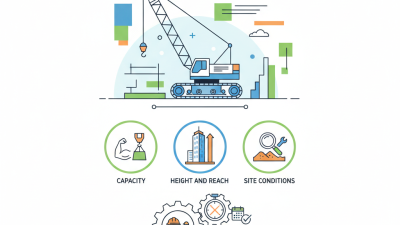
When renting crawler cranes, key features are essential to consider. Load capacity is a primary factor. Understanding the maximum weight a crane can lift is crucial for your project’s needs. Smaller projects may require less lifting power, whereas larger constructions require robust machines. Take time to evaluate the specifics.
Another important feature is the crane’s mobility. Crawler cranes are designed to navigate rough terrains. However, not all models excel in all conditions. Consider the ground conditions on your job site. A crane that performs well in one environment may struggle in another. It is vital to assess your site requirements precisely.
Height and outreach capabilities are also significant. Different projects will have varying height needs. Make sure the crane can reach all necessary elevations. You might face challenges with inadequate outreach. This can hinder a project’s progress. Always analyze the project scope thoroughly to avoid unnecessary delays.
Top Brands of Crawler Cranes to Consider in 2026
As the construction industry evolves, selecting the right crawler crane is crucial for 2026 buyers. An industry report reveals that the global crawler crane market is expected to reach $6 billion by 2026, driven by urbanization and infrastructure projects. This indicates a growing demand for versatile and reliable machinery.
When considering top brands, look for those known for durability and technology. Advanced load management systems enhance operational efficiency. Recent data suggests that models with better stability and lifting capacities achieve a 30% increase in productivity. Buyers often prioritize user-friendly controls and maintenance ease, which can save time and reduce costs.
However, potential buyers should not overlook the importance of renting over purchasing. Rental options allow for flexibility and access to the latest models without hefty investments. Exploring different rental agreements is essential; the right terms can lead to significant savings. Investment in training also matters, as proper operator handling can avoid costly mistakes and maximize crane performance.
Top Crawler Crane Rental Options for 2026 Buyers
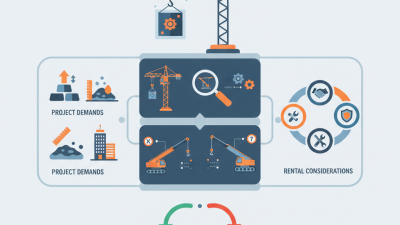
This chart represents key specifications for crawler cranes that buyers should consider in 2026, focusing on lift capacity, maximum height, boom length, and operating radius. It provides a quick comparison of these important features to aid in decision making.
Cost Comparison of Crawler Crane Rentals: What to Expect
When considering crawler crane rentals for 2026, costs can vary widely. Right now, the rental prices largely depend on the crane's size, capacity, and specific features. Smaller cranes might rent for around $1,000 to $3,000 per day, while larger models can reach $10,000 or more. It’s essential to factor in additional costs like transportation and maintenance, as these can add up quickly.
The overall cost will also reflect the duration of the rental. Short-term rentals can be convenient but may not always be cost-effective for long projects. Companies might discover that longer rentals, even if they're pricier upfront, often lead to savings. Evaluating the job's timeline and required crane specifications is crucial.
However, many people overlook the added fees that can affect final rental costs. For instance, insurance and operator fees can significantly alter budget expectations. Potential renters should be mindful of such nuances. Understanding these details ensures informed decisions when choosing the right crawler crane for a specific project. Being aware of the intricacies involved in rental contracts is advisable to avoid surprises later.
Safety Standards and Best Practices for Crawler Crane Use in 2026
Crawler cranes play a vital role in construction, especially in projects requiring heavy lifting. In 2026, adhering to safety standards is critical for all operators. The goal is to minimize accidents and ensure the well-being of every worker on site. Familiarizing your team with the latest regulations is key. Even minor oversights can lead to significant hazards.
Regular inspections of machinery are essential. Operators must check for wear and tear before each use. Neglecting routine maintenance can increase the chance of equipment failure. Training should also focus on environmental awareness. Understanding how weather conditions affect crane operation is crucial. For example, high winds can pose risks not immediately obvious.
Documenting safe practices encourages a culture of safety. Operators should maintain records of training sessions and inspections. This transparency builds trust and reinforces accountability among team members. Reflection on past incidents is also beneficial. Analyzing mistakes can lead to improved safety protocols. It’s not just about compliance; it’s about creating a safe workspace.