Top Tower Crane Rental Options for Global Buyers?
In the dynamic world of construction, the demand for efficient tower crane rental solutions is ever-growing. Experts in the industry highlight the importance of choosing the right equipment for project success. David Martinez, a renowned tower crane rental specialist, once stated, “The right crane can make or break a project.” His words resonate deeply in today's competitive landscape.
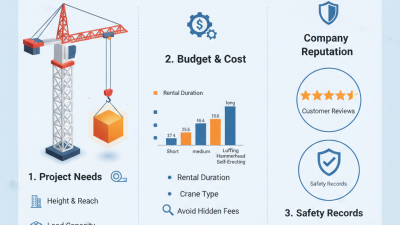
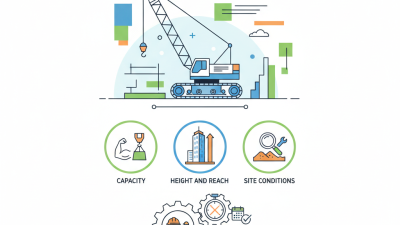
Choosing a tower crane rental option involves careful consideration. Different projects require specific types of cranes. Buyers must consider factors like lifting capacity, height, and the crane's operational environment. The tower crane rental industry offers diverse options, catering to various needs and budgets. Understanding these options is crucial for making informed decisions.
However, navigating the choices can be challenging. Some companies may push for higher-end models that exceed budget constraints. Others may offer low-quality equipment that jeopardizes safety. Therefore, careful research and consultations are key to ensuring reliability and efficiency. The right selection can significantly enhance project outcomes, but poor choices could lead to costly delays.

Top Global Markets for Tower Crane Rentals in 2023
The demand for tower crane rentals continues to rise across various global markets in 2023. Major cities like New York, London, and Dubai lead the way, driven by booming construction sectors. These locations showcase impressive skylines, symbolizing progress and development. Construction firms flock to these areas to establish ambitious projects. The competition among rental providers is fierce, resulting in better prices and services for buyers.
In addition to traditional hotspots, emerging markets are gaining attention. Cities in Southeast Asia, such as Bangkok and Ho Chi Minh City, are witnessing significant infrastructure growth. This trend opens a plethora of opportunities for crane rentals. However, navigating these markets can be challenging, as not all suppliers uphold the same standards. Buyers must conduct thorough research to ensure reliability, experience, and technical support. Some may find that local regulations can complicate rental agreements, requiring careful attention and adjustments.
As the global landscape of tower crane rentals evolves, companies must adapt to changing demands. Sustainability and technology integration will play a vital role in future rentals. Clients will seek eco-friendly options and advanced machinery. The need for skilled operators and training remains paramount. Investing in quality training can mitigate issues and improve project outcomes. The transformation within the rental market will require reflection and innovation from all stakeholders.
Key Factors Influencing Tower Crane Rental Prices Worldwide
When considering tower crane rentals, various factors affect pricing. Demand in your region plays a significant role. In bustling cities, prices tend to rise. Construction activity increases, but so do costs for equipment. A critical evaluation of local market trends is essential.
Another factor is crane specifications. Larger models, with higher lifting capacities, naturally cost more. Owners invest significantly in advanced technology. This investment drives rental prices higher, especially for cranes equipped with enhanced safety features. Understanding which specs align with project needs is vital.
Rental duration also influences pricing. Long-term rentals may come with discounts, while short-term options often carry a premium. Companies might offer varied pricing structures to appeal to different client needs. Carefully analyzing terms can reveal potential savings. Always review rental agreements for hidden fees or terms that may impact the final cost.
Comparative Analysis of Popular Tower Crane Brands and Models
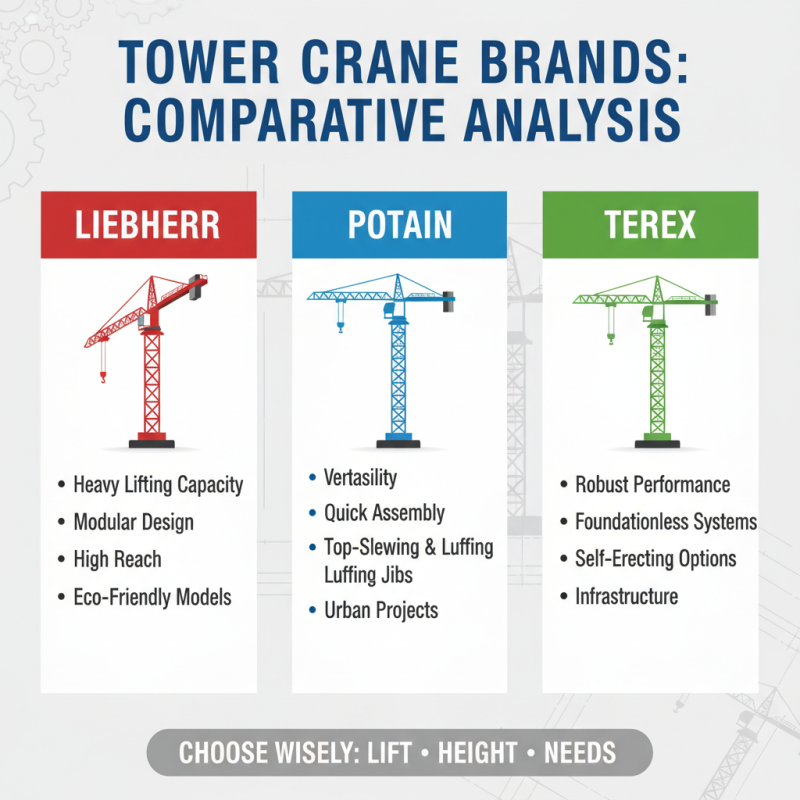
When assessing tower crane rental options, it is vital to compare popular brands and models. Each brand has unique features that cater to specific needs. For instance, some cranes excel in lifting capacity, while others focus on height. Buyers should understand these differences to make informed decisions.
One now-commonly-known challenge involves the adaptability of models to different site conditions. Certain cranes may perform brilliantly on flat terrains but struggle in tight urban spaces. In contrast, some models offer compact designs, enhancing maneuverability. This trade-off is essential for buyers to consider. Assessing operational efficiency against site limitations could lead to better performance outcomes.
Experience in the field reveals that the choice of crane can greatly affect overall project timelines. However, many buyers often choose based on price alone, overlooking long-term impacts. A less expensive model might incur higher operational costs. Reflecting on these realities ensures a more strategic rental decision. It highlights the importance of considering all factors beyond initial investment costs.
Regulatory Considerations for Tower Crane Rental Contracts
When entering into a tower crane rental contract, understanding regulatory considerations is crucial. Different regions have specific safety standards and operational regulations that govern crane usage. For instance, a report by the International Organization for Standardization (ISO) indicates that compliance can reduce accidents by up to 30%. Buyers must verify the certification requirements for cranes in their jurisdiction. This includes ensuring that rental providers meet local compliance measures.
Legal requirements often dictate insurance coverage and liability terms. Many contracts stipulate that the rental company must maintain adequate liability insurance. A survey published by the Global Construction Equipment Industry Association reveals that 70% of companies prioritize insurance clauses in rental agreements. Buyers need to be aware of the implications of these clauses. Clear definitions of responsibility in rental contracts can prevent disputes.
In some cases, rental agreements include hidden costs. These can stem from maintenance, delivery, or delays. Buyers should critically assess all outlined fees and potential penalties before signing. Engaging legal expertise to review contracts may help; however, much still relies on the buyer's diligence. Unexpected costs can severely impact project budgets if not adequately addressed.
Future Trends in Tower Crane Rental Industry Post-Pandemic
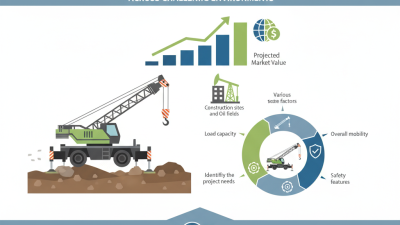
The tower crane rental industry has seen a notable shift in trends following the pandemic. According to recent industry reports, the global tower crane rental market is expected to grow significantly, potentially reaching USD 12 billion by 2027. This growth reflects a rising demand for efficient construction solutions across various sectors.
Post-pandemic, many construction firms focus on digital solutions. The integration of advanced technologies in crane operations boosts efficiency and safety. Industry studies indicate that over 70% of firms plan to adopt smart technologies for their tower cranes. However, this shift raises concerns. Many smaller rental companies may struggle to keep up with the technological demands. Furthermore, supply chain disruptions during the pandemic exposed vulnerabilities that still linger.
Rental terms are also evolving. Many companies are now offering flexible rental agreements to adapt to changing project timelines. Short-term rentals have surged in popularity, accounting for over 40% of the market share in 2023. As projects fluctuate, this flexibility can be a double-edged sword. While it meets immediate needs, reliance on short-term rentals may lead to inefficiencies in planning. Balancing flexibility with long-term strategy is crucial as the industry adapts to a new normal.