Why Choose a Truck Crane for Your Business?

Choosing the right lifting equipment can shape daily productivity, operating costs, and customer satisfaction. A truck crane combines a mobile road vehicle with a mounted lifting system, allowing crews to travel directly between job sites. This flexibility can reduce equipment transfers and shorten setup time. It matters when projects move from crowded city streets to remote construction areas. However, mobility alone does not guarantee value. The crane must match your typical load weights, lifting distances, road conditions, and work schedules.

Experienced operators often judge a truck crane by more than its maximum capacity. They examine boom reach, stability, hydraulic response, fuel use, maintenance access, and cabin visibility. A reliable unit should support safe lifting plans, clear communication, and regular inspections. Outriggers must stand firmly on suitable ground, especially beside trenches or uneven surfaces. Small details matter. A damaged hose can stop an entire shift. A confusing control layout can slow a trained operator.

Business owners should also consider total ownership costs. Purchase price is only one part of the decision. Insurance, servicing, operator training, tires, permits, and downtime can change the final calculation. A new machine may offer advanced controls, while a well-maintained used model might provide stronger short-term value. Still, used equipment requires careful records and a professional inspection. It is easy to underestimate hidden wear. That is where some decisions go wrong. By comparing real project demands with verified specifications and supplier support, companies can decide whether a truck crane delivers practical, dependable growth.

Why Choose a Truck Crane for Your Business?

What Is a Truck Crane and How Does It Work?

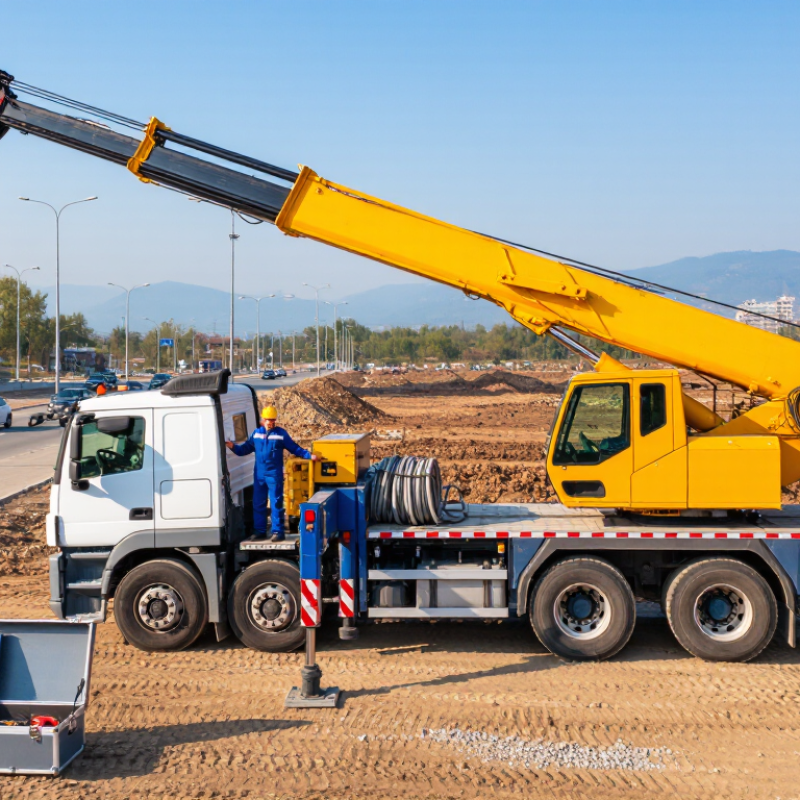
A truck crane combines a mobile road vehicle with a rotating lifting system. The truck carries the crane between sites, while hydraulic cylinders control the boom, winch, and telescopic sections. Power usually comes through a power take-off connected to the vehicle engine. When the operator engages it, hydraulic pumps move oil under pressure. That pressure lifts, extends, and rotates the crane.

The outriggers matter greatly. They spread the load across the ground and reduce vehicle movement during lifting. Before operation, an experienced operator checks the load chart, boom angle, radius, ground condition, and wind speed. A 2020 NIOSH analysis recorded 1,008 crane-related workplace deaths in the United States from 2003 to 2010. The report highlights hazards involving struck-by incidents, electrocution, and crane instability. These figures are difficult to ignore.

Capacity changes with distance. A load that feels manageable near the truck may become unsafe at full reach. OSHA’s 29 CFR 1926 Subpart CC requires qualified operators, inspections, signaling practices, and power-line controls for covered construction work. Field experience still exposes weaknesses in planning. Paperwork can be complete, yet soft soil may remain unnoticed. That is the uncomfortable part. A truck crane works efficiently only when machine capability matches real site conditions, not optimistic estimates.

Which Business Tasks Can a Truck Crane Handle?

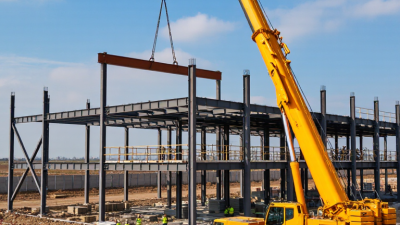
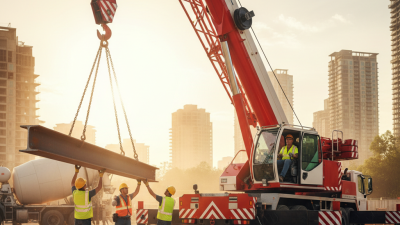
A truck crane combines road mobility with practical lifting power. It can travel between sites without a separate transport trailer, saving setup time for many businesses. On a typical workday, crews may lift steel beams, glass panels, generators, pipes, or packaged machinery. The crane arrives, stabilizes on firm ground, and places materials close to the installation point.

Construction teams use truck cranes for roof framing, wall panels, HVAC units, and prefabricated sections. Utility contractors can position transformers, cable drums, and replacement poles. Landscaping companies may move mature trees, stone slabs, or large planters. At warehouses and factories, the crane can load equipment through restricted access areas. Its reach helps when forklifts cannot safely approach.

Small lifting jobs still require serious planning. Operators must check the load chart, boom angle, ground pressure, weather, and overhead hazards. Outriggers need enough space and proper support. A trained operator should inspect hydraulic lines, hooks, wire ropes, and safety devices before work begins. I have found that rushed setup creates more risk than the lift itself. Sometimes a truck crane is simply the wrong tool. Tight indoor spaces, unstable soil, or unusually heavy loads may require different equipment. Work plans should follow local safety rules and be reviewed by competent personnel, not guessed on site.

What Are the Main Benefits of Choosing a Truck Crane?

Why Choose a Truck Crane for Your Business?

A truck crane combines lifting equipment with road-ready mobility. This design can reduce transport time between job sites. In practical work, that means fewer deliveries, less waiting, and faster project starts. A trained operator can drive to a site, position the vehicle, and prepare the crane efficiently. The setup is often quicker than arranging a separate carrier and lifting machine. That matters when schedules change suddenly.

Truck cranes also support varied tasks, including construction, equipment placement, utility maintenance, and material handling. Their lifting capacity and working radius can serve both urban projects and wider industrial areas. Outriggers improve stability on suitable ground, while load charts help operators control safe working limits. These details require discipline. A rushed setup can create serious risk. Site surveys, ground checks, weather reviews, and documented inspections should remain routine. Small omissions are easy to dismiss.

The financial benefit can be significant. One vehicle may replace several transport arrangements, lowering fuel use, labor coordination, and rental complexity. It can also reach multiple locations in one day. However, ownership is not automatically cheaper. Maintenance, operator training, insurance, and storage still require careful budgeting. I have seen companies focus on lifting capacity while overlooking road access or ground conditions. That choice can limit productivity. A proper assessment should compare typical loads, travel distances, setup space, and expected annual use before purchase.

How Should Businesses Evaluate Truck Crane Specifications?

Choosing a truck crane starts with the job, not the lifting chart. A contractor should record typical loads, lift radius, ground conditions, and daily travel distance. A 12-ton load at six meters differs greatly from the same load at twelve meters. Small details matter. Operators should inspect access roads, turning space, overhead clearance, and weather exposure before comparing specifications. In my field experience, many purchasing errors begin with an ideal load instead of a normal one.

Evaluate rated capacity alongside load moment, boom length, extension method, and stability controls. Capacity alone can mislead. Request tested performance data and clear load charts, including outrigger positions and working angles. Compare hydraulic response, pump capacity, control smoothness, and emergency stopping behavior. A slow, predictable boom is often safer and more productive than a faster system. Check chassis payload after installation, because tools, fuel, and crew reduce the available margin. This step is easy to overlook.

Maintenance evidence deserves equal attention. Review service intervals, inspection points, replacement part availability, and documented operator training. Look closely. A crane needing daily lubrication should have reachable grease fittings, not hidden ones. Ask how it performs in cold mornings, dust, uneven yards, and repeated short lifts. These conditions expose weaknesses that showroom demonstrations rarely reveal. I would keep a clear reserve below the maximum rating, although the correct margin depends on risk assessment and local requirements. A trial lift with representative materials can reveal limitations that paper specifications cannot show.

What Safety and Maintenance Factors Affect Its Value?

A truck crane can increase jobsite flexibility, but its value depends heavily on safe operation and disciplined maintenance. CPWR’s analysis of the U.S. Bureau of Labor Statistics Census of Fatal Occupational Injuries recorded 297 crane-related deaths from 2011 to 2017, averaging about 42 deaths annually. That figure is sobering. A mobile crane may travel between sites, yet every move introduces new ground, traffic, and overhead hazards.

In the United States, OSHA’s 29 CFR 1926.1412 requires shift-start inspections, documented monthly inspections, and a comprehensive inspection at least every 12 months. Technicians should examine wire ropes, hydraulic hoses, welds, tires, outriggers, alarms, and load charts. A leak beneath the boom is not a minor detail. It can signal pressure loss, component damage, or an expensive delay. Inspection records should include dates, findings, repairs, and the technician’s name.

The practical weakness is human memory. Operators can miss a damaged outrigger pad during a rushed morning setup. Simple controls help: use a written checklist, photograph defects, and confirm ground bearing before lifting. Keep service records with the crane, not in a misplaced office folder. Records protect value. They also help buyers judge whether the machine was maintained or merely cleaned before sale. A compliant crane is safer, but compliance alone does not prove good judgment on every site.

Why Choose a Truck Crane for Your Business? - What Safety and Maintenance Factors Affect Its Value?
Evaluation Dimension Typical Data or Requirement Business Benefit Effect on Asset Value Recommended Management Practice
Rated Lifting Capacity Common truck-mounted crane configurations cover approximately 3–50 tonnes, depending on boom length, counterweight, and working radius. Allows one road-going vehicle to perform lifting, transport, and positioning work without requiring a separate mobile crane for every job. High
Correct capacity selection improves utilization and reduces the risk of expensive underused equipment.
Compare the rated load chart at the actual working radius rather than relying only on the maximum advertised capacity.
Working Radius and Load Chart Safe lifting capacity decreases as boom length and operating radius increase. The load chart must show capacity for each boom position and configuration. Improves job planning and helps prevent overloads caused by using the maximum capacity outside the permitted radius. High
Clear, legible, and complete load charts support safe operation and better resale confidence.
Keep the manufacturer-issued load chart in the cab and train operators to check radius, boom angle, stabilizer position, and attachment weight.
Stabilizer and Ground Control Outriggers or stabilizers should be fully deployed according to the operating instructions. Ground bearing pressure depends on crane weight, load, radius, and outrigger area. Improves stability and reduces the possibility of tipping, uneven loading, or structural damage. High
Undamaged beams, cylinders, pads, pins, and control valves are important indicators of careful operation.
Inspect the ground before setup, use suitable outrigger mats where required, and check for hydraulic leakage or deformation.
Overload Protection and Rated Capacity Limiter Electronic rated-capacity systems, load indicators, boom-angle sensors, and limit devices are commonly used to warn operators when operating limits are approached. Provides an additional control against overloads and helps operators maintain compliance with site safety procedures. High
Working safety devices protect the crane structure and reduce the likelihood of major repair costs.
Function-test the system at the intervals specified by the equipment documentation and repair warning faults before continued lifting.
Daily or Pre-Shift Inspection A practical pre-shift inspection normally takes about 10–30 minutes, depending on crane size and site conditions. Identifies visible defects before they become incidents, downtime, or expensive component failures. High
Complete inspection records can demonstrate disciplined ownership and support resale valuation.
Check hooks, safety latches, wire rope, hydraulic hoses, cylinders, controls, tires, lights, outriggers, and visible structural damage.
Wire Rope and Hook Condition Wire rope should be checked for broken wires, kinks, crushing, corrosion, birdcaging, and abnormal wear. Hooks require inspection for deformation, cracks, and latch operation. Reduces the risk of dropped loads and unplanned shutdowns during lifting operations. High
Replacement history and documented inspections improve buyer confidence because these are critical load-bearing components.
Follow applicable inspection criteria, remove damaged rope from service, and never exceed the permitted angle or load for the hook and reeving arrangement.
Hydraulic System Condition Hydraulic oil condition, filter condition, hose age, cylinder seals, control valves, and operating pressure directly affect crane performance. Maintains smooth movement, lifting accuracy, and reliable operation in demanding work environments. High
Oil leaks, damaged hoses, and slow or uneven movements are common causes of value reduction.
Inspect for leaks daily, replace filters and oil according to the service schedule, and use fluid that meets the required specification.
Lubrication and Service Intervals Greasing points are often serviced at daily, weekly, or hour-based intervals. Hydraulic oil and filter intervals commonly fall within approximately 250–1,000 operating hours, depending on design, duty cycle, and oil analysis. Reduces friction, pin and bushing wear, corrosion, and premature component failure. Medium to High
Consistent service history generally has a positive effect on reliability and resale value.
Use a maintenance log showing date, operating hours, lubricant type, filter changes, defects found, and corrective work completed.
Periodic and Annual Examination Many regulatory systems require frequent inspections and a documented comprehensive inspection at least annually or at another prescribed interval. Provides an independent review of structural, mechanical, hydraulic, and safety-critical conditions. High
Current inspection documentation is especially valuable when equipment is sold, leased, or transferred between sites.
Use a qualified person or competent inspection provider and retain signed reports with photographs and repair records.
Structural Integrity Key areas include the boom, boom foot, turntable, welds, mounting frame, outriggers, pins, and counterweight supports. Protects against fatigue-related failures and preserves the crane's safe working life. High
Cracks, unauthorized weld repairs, distortion, and severe corrosion can substantially reduce value.
Inspect high-stress areas regularly and arrange non-destructive examination when cracking, impact damage, or unusual deformation is suspected.
Truck Chassis and Roadworthiness Important factors include brake performance, tires, suspension, steering, frame condition, lighting, emissions compliance, and legal road weight. Allows the unit to travel between jobs without relying on separate transport equipment. High
A crane in good condition may still lose value if the truck chassis is unsafe, overloaded, or difficult to register.
Maintain both the crane and the truck according to their respective inspection and service requirements.
Operator Training and Records Operators should be trained and authorized for the crane type, load charts, rigging practices, signaling, setup, and site hazards. Reduces operating errors, improves productivity, and supports consistent compliance across worksites. Medium to High
Training records and documented operator qualifications strengthen a buyer's assessment of equipment history.
Keep records of operator training, refresher instruction, incident reports, near misses, and corrective actions.
Maintenance Documentation A useful file includes inspection reports, hour-meter readings, parts replaced, oil and filter changes, repairs, load tests, and defect close-outs. Improves maintenance planning and reduces uncertainty about the equipment's actual condition. High
Complete records can reduce perceived ownership risk and support a stronger resale or financing assessment.
Use a consistent digital or paper log and match every major repair to the operating hours and inspection date.
Downtime and Repair Cost Frequent hydraulic, electrical, structural, or control-system failures can create lost working days in addition to direct repair expenses. Reliable equipment improves scheduling performance and reduces the need for replacement lifting capacity. High
Low downtime and predictable maintenance generally improve total cost of ownership.
Track downtime hours, repeat defects, emergency repairs, and maintenance cost per operating hour.
Service Life and Utilization Actual condition depends on operating hours, load spectrum, environment, corrosion exposure, lifting frequency, and maintenance quality—not age alone. Helps businesses choose equipment based on productive capacity rather than purchase price alone. High
A well-maintained older crane may retain more value than a newer unit with poor records or severe duty exposure.
Review hour-meter data together with inspection findings, repair history, structural condition, and usage environment.
Overall Value Assessment A truck crane's practical value is determined by safe lifting capability, road mobility, uptime, maintenance condition, legal compliance, and documented history. Supports better purchasing, fleet replacement, leasing, and resale decisions. High
Safety and maintenance quality directly influence operating risk, lifecycle cost, and marketability.
Use a condition-based assessment rather than judging value from purchase price, age, or maximum lifting capacity alone.
Note: The figures and intervals shown are typical planning references rather than universal limits. Actual requirements must follow the crane's load chart, maintenance documentation, applicable occupational-safety regulations, road-traffic rules, and inspection standards in the operating jurisdiction.