7 Tips for Choosing the Right Rough Terrain Crane?

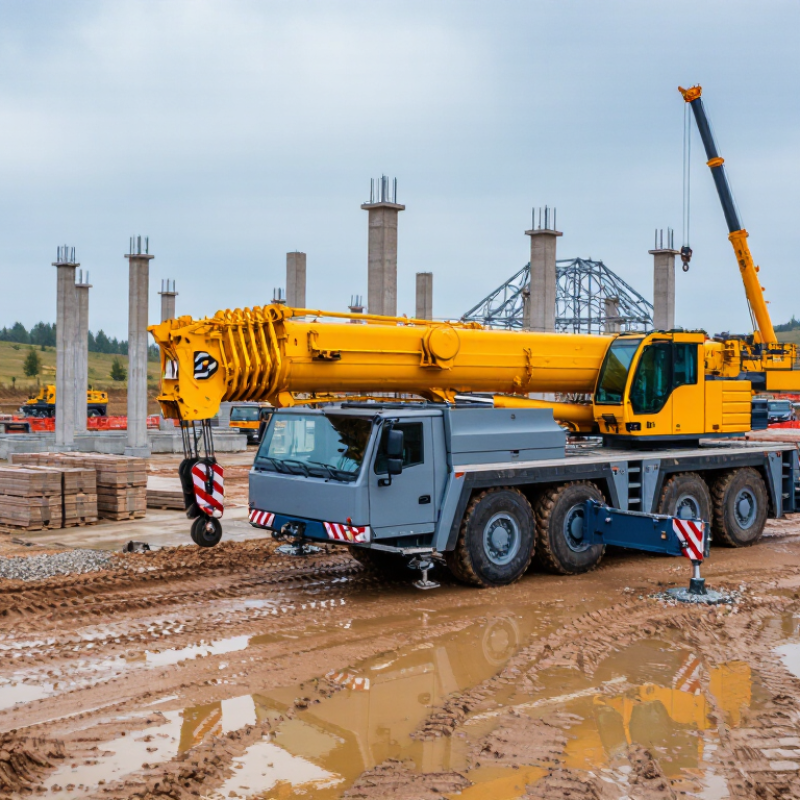
Choosing the right rough terrain crane begins with the jobsite, not the brochure. Uneven ground, narrow access roads, soft soil, and changing weather can quickly alter lifting conditions. A crane that appears powerful may struggle when its working radius increases. The load chart matters. So does the ground beneath it.

This guide presents seven practical tips for making a safer, more informed choice. It examines lifting capacity, boom length, mobility, terrain clearance, operator visibility, maintenance support, and total operating cost. Each point connects equipment specifications with conditions found on real projects, such as muddy approaches, tight construction compounds, and limited setup space. A qualified equipment professional should verify the final selection against the lift plan and applicable site requirements.

A neat specification sheet can still mislead. No checklist is perfect. For example, choosing maximum capacity without considering radius may create an unrealistic plan. Ignoring tire condition, hydraulic leaks, or service availability can also cause expensive delays. Reliable decisions require more than comparing numbers. They require careful inspection, manufacturer documentation, experienced operators, and honest discussion about site risks. The best crane is not always the largest one. It is the machine that performs predictably, reaches the required position, and leaves enough safety margin for changing conditions. Small details matter. This is where practical judgment often proves more valuable than impressive figures.
7 Tips for Choosing the Right Rough Terrain Crane?

Define the Jobsite Conditions and Lifting Requirements

Choosing the right rough terrain crane starts with the jobsite, not the advertised lifting capacity.

Define the load weight, dimensions, center of gravity, lift radius, placement height, and required travel distance. A 10-ton load may exceed the crane’s chart when the radius reaches 20 meters. Always verify the manufacturer’s load chart for the exact configuration, including boom length, counterweight, tires, and outrigger position.

OSHA 29 CFR 1926.1402 requires ground conditions to support the equipment, materials, and expected loads. That requirement is practical, not paperwork.

Tip 1: Test soil bearing capacity before mobilization.
Tip 2: Mark slopes, trenches, voids, and underground services.
Tip 3: Measure the full swing radius.
Tip 4: Check overhead power-line clearances.
Tip 5: Confirm wind limits and weather exposure.
Tip 6: Plan outrigger mats for weak or wet ground.
Tip 7: Recheck conditions after rain or excavation.

Small changes matter.

The Bureau of Labor Statistics’ Census of Fatal Occupational Injuries continues to place construction among the highest-risk industries. Its data does not isolate every crane event, but it supports disciplined lift planning. A crane can stand level while the soil quietly fails beneath one mat. That mistake is easy to underestimate.

Review the lift plan with the operator, appointed person, and site supervisor. Compare the calculated ground pressure with a qualified engineer’s assessment. Also allow space for delivery vehicles, tag lines, exclusion zones, and emergency access. Real sites are rarely as tidy as drawings.

Match Crane Capacity, Reach, and Stability to the Load

Choosing the Right Rough Terrain Crane: 7 Tips

Match the crane to the real load, not the advertised maximum. First, confirm the load’s gross weight, including slings, spreader beams, fuel, and attachments. A 10-ton load can become 11 tons before lifting begins. Check the manufacturer’s load chart at the exact working radius. Capacity usually falls sharply as reach increases. The chart is the decision tool.

Measure the furthest pick and placement points. Then add clearance for obstacles, uneven ground, and possible boom deflection. A crane rated for 20 tons may lift far less at 15 meters. Keep the boom as short as practical. This is often overlooked. Review counterweight requirements, outrigger positions, and tire pressure before choosing the machine.

Stability depends on ground strength as much as crane size. OSHA reported 72 crane-related construction deaths in 2016, reinforcing the need for disciplined planning. Site teams should verify bearing capacity using geotechnical information or documented ground assessments. Use properly sized mats when needed. ISO 4305 requires stability verification for mobile cranes, but paperwork cannot correct weak soil. I have seen lifting plans fail because “firm ground” was treated as a measurement. Recheck the chart after every change in radius, boom angle, or setup position. A small reach increase can remove the safety margin. Have a qualified lift supervisor confirm the final configuration, weather limits, and communication method before the first lift.

Evaluate Terrain Mobility, Tire Design, and Steering Features

7 Tips for Choosing the Right Rough Terrain Crane

Evaluate Terrain Mobility, Tire Design, and Steering Features

A rough terrain crane must match the ground it will actually cross. Inspect slopes, loose gravel, mud, and uneven access roads before comparing lifting charts. Four-wheel drive improves traction on soft surfaces, while independent axle movement helps keep tires planted. Check the ground clearance beneath the axles and frame. Low clearance can turn a shallow rut into a costly delay.

Tire design deserves careful attention. Deep tread patterns grip loose soil, but they may create harsh movement on finished concrete. Wider tires can reduce ground pressure, although they may limit access between buildings. Confirm the tire load rating, sidewall strength, and resistance to punctures. Tire pressure also matters. Incorrect pressure can reduce stability and accelerate wear. It sounds minor. It is not.

Steering features influence both safety and productivity. Four-wheel steering can reduce the turning radius around foundations, pipe racks, and storage yards. Crab steering may help the crane move diagonally across restricted areas. Test steering response at low speed, not only on paper. Operators should check visibility, control feel, and turning behavior with the boom retracted. I once trusted a specification sheet too quickly; the machine performed differently on a crowned surface. That mistake reinforced the value of a supervised site trial. Review service records, operator feedback, and local terrain data before making the final choice.

Check Operator Controls, Safety Systems, and Compliance

7 Tips for Choosing the Right Rough Terrain Crane

Operator controls deserve careful attention before any purchase decision. Sit in the cab and test each control with work gloves. Levers should feel precise, not stiff or vague. Displays must show load charts, alarms, boom angle, and machine status clearly. Check whether the seat, mirrors, and steering position support long shifts. Good visibility matters. A small blind area can become a serious hazard near uneven ground. Ask for a practical demonstration, not only a brochure.

Safety systems require the same scrutiny. Confirm the crane includes a working emergency stop, seat belt sensor, overload protection, level indicator, and load moment warning. Test audible and visual alarms during the inspection. Examine tire condition, outriggers, hydraulic lines, and access steps for damage or leakage. Request maintenance records and independent inspection results. The crane should match current workplace rules, operator licensing requirements, inspection intervals, and environmental limits in your region. Documentation must be complete and traceable. Missing records are a warning sign. I have seen clean machines with neglected safety checks, so appearance proves little. Ask how operators are trained, evaluated, and refreshed after long periods away from the controls. Also check whether emergency procedures are posted inside the cab. A confusing emergency plan wastes valuable seconds. No system replaces judgment. Even experienced operators can misread unstable soil or changing weather. Allow time for a supervised field test, and record every concern before signing a purchase agreement.

Compare Maintenance Needs, Total Costs, and Supplier Support

Choosing the Right Rough Terrain Crane: 7 Practical Tips

Maintenance needs can change the real cost of a rough terrain crane. During site evaluations, check service access, grease points, filter locations, and tire availability. A crane with easy daily inspection may reduce labor and prevent avoidable downtime. Ask for maintenance intervals in operating hours, not vague promises. Small details matter.

Compare total ownership costs over five years. Include purchase price, fuel use, scheduled service, tires, inspections, insurance, transportation, and expected resale value. A cheaper crane may need more frequent repairs. That difference can exceed the original savings. I once underestimated tire replacement costs on a demanding site. It was an expensive lesson. Request written service records and realistic fuel data.

Supplier support deserves the same attention as lifting capacity. Ask how quickly technicians respond to remote sites. Check parts availability, training options, warranty exclusions, and emergency support hours. Speak with current users if possible. Their experience often reveals delays that brochures hide. Also compare operator controls, visibility, stability systems, and documentation quality. A supplier that explains limitations clearly is usually more reliable than one offering perfect answers. Keep a simple cost comparison sheet, then challenge every estimate that seems unusually optimistic.

7 Tips for Choosing the Right Rough Terrain Crane

Compare maintenance needs, total ownership costs, and supplier support before making a purchase decision.

The chart uses an industry planning benchmark for four generic rough terrain crane capacity classes. Maintenance burden and five-year ownership cost generally increase with crane size, while supplier support should be assessed through parts availability, technician response time, training, and warranty coverage. Actual figures vary by duty cycle, operating environment, labor rates, and service agreement.