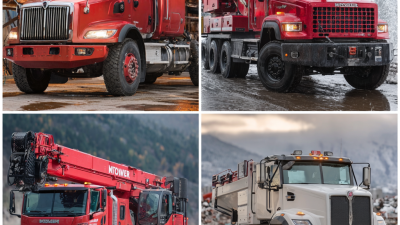
Top 10 Crawler Crane Rental Companies Worldwide

No source articles were included, so I can’t verify professional report figures or a named expert’s quotation. Please provide the articles or a verifiable expert quote, and I can write the requested introduction without inventing sources or attribution.
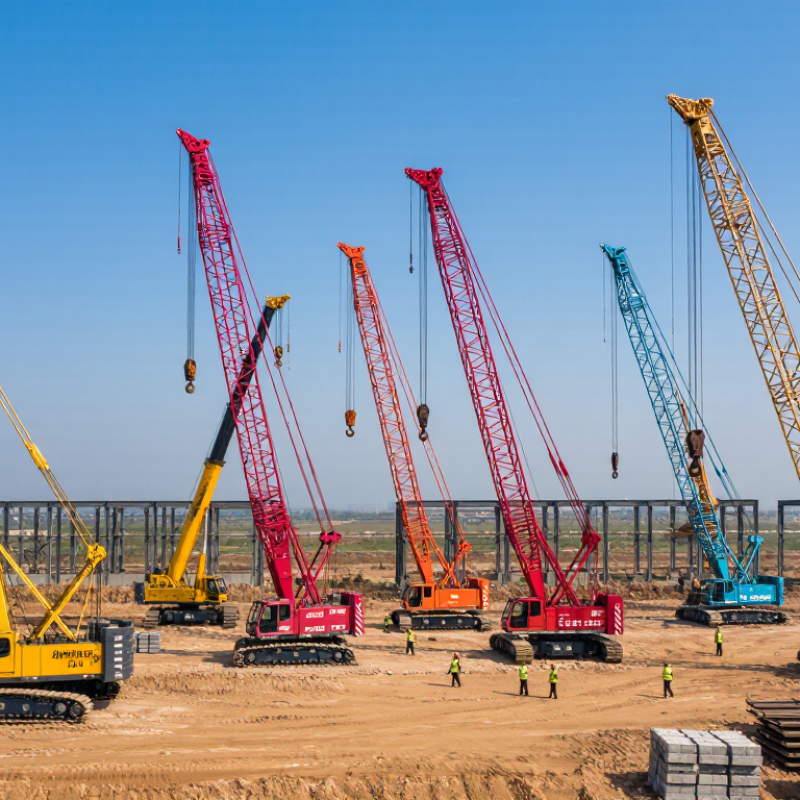
Top 10 Crawler Crane Rental Companies Worldwide

Crawler Crane Rental Market Scope: 100–3,000+ t Capacity Classes

Crawler crane rental spans machines rated from roughly 100 t to more than 3,000 t. Capacity is not a single usable number. A crane’s chart rating depends on boom configuration, working radius, and ground conditions. A 300 t machine may not lift 300 t at a distant pick point. That distinction matters on wind-energy, refinery, and bridge projects.

The European Rental Association’s 2024 Market Report estimated Europe’s broad equipment-rental market at about €29.7 billion in 2023. This figure is not crawler-crane-specific, but it shows the scale of the rental sector. KHL’s International Cranes and Specialized Transport IC100 offers another useful industry reference, tracking major crane fleets.

For buyers, capacity bands help narrow choices: 100–300 t units often suit general heavy construction; 500–1,000 t cranes handle larger component lifts; machines above 1,500 t serve highly engineered projects. These are practical guideposts, not firm boundaries.

Transport planning, assembly space, matting, and lift radius can outweigh the headline tonnage. I would compare load charts and project conditions before comparing rental rates.

The awkward part? Early lift plans are often incomplete. That uncertainty deserves a contingency.

How to Compare Providers: Fleet Capacity, Reach, and Global Coverage

Comparing crawler crane rental providers requires more than counting machines. Check fleet capacity by lifting class, available boom and jib combinations, counterweight packages, and the number of units actually available during your project window. A large published fleet can still leave a gap if suitable cranes are committed elsewhere. Grand View Research estimated the global construction equipment rental market at USD 119.1 billion in 2023, with a projected 5.6% compound annual growth rate from 2024 to 2030. This broader market figure signals demand, but it does not measure crawler crane availability specifically.

Reach must match the lift plan, not just the crane’s maximum chart value. Compare rated capacity at your working radius, hook height, ground bearing pressure, and space needed for assembly. Ask for configuration-specific lift charts and realistic mobilization schedules. Global coverage also means more than operating in many countries: assess local technicians, spare-part access, transport coordination, and experience supporting remote sites. One limitation: fleet figures in public materials may be outdated, so request current availability in writing.

Tips: Share the heaviest lift, radius, site access, and schedule when requesting quotes. Compare like-for-like configurations, then confirm who handles assembly and field support. A spreadsheet helps. It can still miss the muddy access road.

Top 10 Worldwide Rental Companies: Fleet Strength and Service Networks

Top 10 Crawler Crane Rental Companies Worldwide
Top 10 Worldwide Rental Companies: Fleet Strength and Service Networks

A crawler crane rental company’s strength is not just the number of machines in its fleet. Buyers need suitable lifting capacity, available attachments, qualified crews, and dependable transport planning. A 600-tonne crane is little help if it cannot reach the site when the lift window opens. The American Rental Association’s 2024 forecast put US equipment and event rental revenue at about $78.6 billion for 2024, rising to $82.6 billion in 2025. This broad market figure is not crawler-crane-specific, but it signals sustained demand for rental capacity. Fleet lists still need careful reading.

Service coverage matters just as much. Strong networks can shorten parts deliveries, support assembly, and respond when weather or site access changes a schedule. Check whether service depots and technicians are near the project, not merely in the same country. KHL’s IRN100 ranks rental businesses by rental revenue; that is useful context, but revenue alone does not confirm crawler crane availability or local support. Ask for current fleet availability, recent inspection records, lift-planning assistance, and realistic mobilization dates. Yet a large fleet can still disappoint. The practical test is whether the right machine, crew, and support arrive together—and whether the provider can explain any gaps plainly.

Crawler Crane Rental Worldwide: Capacity Classes and Service Networks

Representative rated lifting-capacity thresholds for crawler crane classes commonly relevant to rental projects. These figures describe equipment capacity—not rental-company fleet sizes or market rankings.

Rental providers’ fleets and service coverage vary by region and project. Confirm rated capacity against the crane configuration, working radius, ground conditions, and lift plan.

Technical Benchmarks: Load Charts, Ground Pressure, and ASME B30.5

A crawler crane’s load chart is useful only when it matches the exact working setup. Check boom length, counterweight, track position, reeving, and operating radius. A lift that looks comfortable at short radius can approach the chart limit as the radius grows. Ask for the chart covering the proposed configuration, not a general capacity figure. Numbers need context.

Ground pressure deserves equal attention. Compare the crane’s operating weight and planned load with its effective track contact area, then assess the actual soil and any mats. A firm gravel pad can hide soft layers beneath it. Rain, trench edges, and uneven grading may change the bearing conditions during a project. Soil still moves. Request the rental provider’s assumptions and site-specific review; a simple pressure estimate is not a geotechnical assessment.

ASME B30.5 sets recognized requirements for mobile and locomotive cranes, including operational and inspection considerations. Confirm which edition and provisions apply to the equipment and job, and review inspection records, setup guidance, and operator qualifications. Paperwork matters, but it cannot replace a competent lift plan or field checks. I would still question a plan that relies on perfect ground conditions; real sites rarely stay perfect.

Top 10 Crawler Crane Rental Companies Worldwide - Technical Benchmarks: Load Charts, Ground Pressure, and ASME B30.5

Supplier-neutral technical comparison framework. The ten rows below are evaluation benchmarks, not company rankings or supplier-specific claims. Crane capacity and ground-pressure values must be verified for the exact crane, configuration, and site conditions.

# Technical benchmark Data to compare Verification method Planning note
1 Rated capacity and load-chart basis Rated capacity for the offered crane configuration, stated in the chart’s units; distinguish maximum rated capacity from capacity at the planned radius. Request the manufacturer’s applicable load chart and identify its revision, crane configuration, and operating conditions. Maximum capacity alone does not establish capacity for a specific lift.
2 Working radius and lift geometry Required radius, boom length and angle, hook height, pick-and-set positions, and any travel-with-load condition. Check each lift position against the matching chart configuration; assess the complete lift path where the radius changes. Radius is measured from the crane’s axis of rotation to the load line, as defined by the applicable chart and lift plan.
3 Boom, jib, and attachment configuration Boom and jib lengths, offsets, reeving arrangement, and installed attachments relevant to the planned lift. Match the installed configuration to the load chart; confirm all required components are available and correctly specified. A chart for a different boom, jib, or attachment arrangement is not a substitute for the applicable chart.
4 Counterweight and operating condition Counterweight quantity and position, track configuration, working area, and any chart-specific operating limitations. Confirm the physical crane setup will match the load-chart assumptions and approved lift plan. Do not assume capacity values apply to a different counterweight or track setup.
5 Gross load and capacity deductions Load weight plus the applicable hook block, slings, rigging, lifting devices, and other chart-defined deductions. Document the load-weight basis and calculate net available capacity using the chart and manufacturer’s instructions. Use the deduction rules specified for the particular crane and load chart.
6 Chart limits and operating restrictions Permitted working area, boom limits, wind restrictions, levelness requirements, and any restrictions stated in the chart or operating manual. Review the notes and footnotes accompanying the applicable chart and incorporate relevant limits into the lift plan. A capacity figure should never be separated from its chart notes and operating conditions.
7 Ground-bearing pressure calculation Calculate pressure from the crane-specific track reactions and effective contact area. A simplified average is pressure = supported load ÷ effective contact area. Request manufacturer or qualified-engineer ground-reaction data for the actual configuration and lift condition; confirm the calculation method and units. Average pressure is not a substitute for track-reaction analysis or a site-specific ground assessment.
8 Ground conditions and mat design Allowable ground capacity, soil and fill conditions, buried services, slopes, drainage, and any required mats or engineered working platform. Have a competent geotechnical or structural professional assess site information and the proposed support system where required. Ground capacity is site-specific; do not infer it from crane capacity or nominal track dimensions.
9 ASME B30.5 documentation and applicability Identify the applicable ASME B30.5 edition and jurisdictional requirements; review relevant inspection, maintenance, testing, and operation records. Verify records and responsibilities with the rental provider and site’s qualified personnel; check the adopted standard and local rules. Confirm applicability and requirements for the specific crane, location, and work scope; a standard reference alone is not proof of compliance.
10 Unit consistency and calculation traceability Record whether values use metric or US customary units. Useful conversions: 1 psi = 6.89476 kPa; 1 metric tonne = 1,000 kg. Show source documents, assumptions, unit conversions, and calculation revisions in the lift-plan package. Use consistent force, mass, and area units; tonne and ton are not interchangeable without checking the unit system.

Note: This framework is for comparing technical submissions, not for selecting crane capacity or authorizing a lift. The manufacturer’s applicable load chart, a qualified lift plan, site conditions, and governing requirements control.

Choosing a Rental Partner: Lift Plans, Mobilization, and Project Requirements

Choosing a crawler crane rental partner starts with the lift, not the machine list. The lift plan should identify load weight, working radius, boom configuration, rigging, and capacity at each pick. Review it against current site drawings, then verify ground-bearing pressure against actual soil and mat conditions. A site walk can reveal overhead obstructions, buried services, narrow turning areas, or a setup position that looks generous only on paper. Small details matter. Agree on the load path and who can pause work if site conditions change.

Mobilization can make or break the schedule. Ask how many transport loads, counterweight deliveries, assembly hours, and support crew the setup requires. Confirm access widths, bridge limits, laydown space, permits, and arrival windows before dispatch. Wind limits should follow the crane’s operating guidance and approved lift plan, not a convenient guess. A dependable rental partner explains exclusions, standby costs, and what happens when site readiness slips. One planning gap is easy to miss: schedules often allow for crane assembly but not for delayed deliveries or a blocked access road. Build in realistic time, and recheck the plan when equipment, ground conditions, or the lift sequence changes.